

Stove Extractor Fan
Add a review FollowOverview
-
Founded Date November 2, 1942
-
Sectors IT Systems Administrator
-
Posted Jobs 0
-
Viewed 23
Company Description
Island Extractor Fan Tools To Improve Your Daily Lifethe One Island Extractor Fan Trick That Everyone Should Be Able To
Understanding Island Extractor Fans: A Comprehensive Guide
When it comes to modern kitchen styles, couple of features are more striking or functional than an island extractor fan. Likewise called island range hoods, these appliances are a vital part in ensuring proper air circulation and ventilation in kitchens that include an island cooktop. In this blog post, we will check out island extractor Cooker Fans, their benefits, how to choose the ideal one for your kitchen, and answer some frequently asked concerns.
What is an Island Extractor Fan?
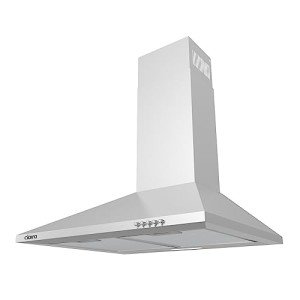
An island extractor fan is a type of Kitchen Cooker Hood appliance mounted on the ceiling above an island cooking location. Unlike conventional wall-mounted range hoods, which are installed versus a wall, island extractors hang directly above the cooking surface area of a kitchen island. They are created to eliminate smoke, steam, odors, and airborne grease through ventilation systems, making sure a fresher and cleaner kitchen environment.
Advantages of Using an Island Extractor Fan
Island extractor fans offer a number of benefits, making them a popular choice for many kitchen styles. Here is a list of the essential benefits:
-
Enhanced Air Quality: By efficiently getting rid of smoke and smells, these fans assist maintain an enjoyable cooking environment.
-
Trendy Design: Island extractors been available in various styles and finishes, including a modern touch to any kitchen.
-
Enhanced Cooking Experience: These fans offer outstanding suction power, enabling a more enjoyable cooking experience by preventing excess heat and steam.
-
Flexible Installation: Island extractors can be installed in different ceiling heights and setups, increasing the flexibility of kitchen style.
-
Noise Reduction: Many modern designs are designed to operate quietly without jeopardizing efficiency.
-
Energy Efficiency: Many contemporary island extractors are equipped with energy-efficient motors and LED lighting.
To illustrate the benefits, consider the following table comparing conventional wall-mounted hoods with island extractors.
| Feature | Traditional Wall-Mounted Hoods | Island Extractor Fans |
|---|---|---|
| Installing | Installed on walls | Suspended from ceilings |
| Design Variety | Limited style choices | Vast array of designs |
| Air flow Efficiency | Moderate to high | High air flow performance |
| Installation Flexibility | Repaired to a wall position | Adjustable to ceiling heights |
| Sound Level | Varies considerably | Generally quieter |
| Area Utilization | May obstruct views | Open design improves area |
How to Choose the Right Island Extractor Fan
Choosing the perfect island extractor fan for your Kitchen Extractor Hoods involves numerous factors to consider. Here’s a list of elements to bear in mind when making your choice:
-
Size and Dimensions: The fan must cover the whole cooking surface location. A general guideline of thumb is to choose a fan that is at least the very same width as the cooktop for optimal efficiency.
-
Ventilation Type:
- Ducted: Expels air outside, perfect for those looking for supreme efficiency.
- Ductless: Recycles air back into the kitchen using filters, best for locations where ducting is impractical.
-
Suction Power (CFM): Measured in cubic feet per minute (CFM), this shows how effectively the fan can remove air. Preferably, choose a fan with a minimum of 600 CFM for an island cooktop.
-
Noise Level: Look for designs with a low sone ranking (a system of measurement for viewed volume) for quieter operation, particularly during high-speed settings.
-
Filter Type and Maintenance:
- Aluminum Filters: Durable and simple to clean.
- Charcoal Filters: Typically discovered in ductless designs; these requirement replacement frequently.
-
Design and Aesthetics: Match the extractor’s design with your kitchen design. Consider materials like stainless steel, glass, and even custom wood surfaces.
-
Lighting: Integrated LED lights improve functionality and presence over the cooktop.
Sample Table for Comparing Models
Below is a sample table that could be used to compare numerous island extractor models you might be considering:
| Model | Size (inches) | CFM | Sound Level (sones) | Ventilation Type | Filter Type | Cost (₤) |
|---|---|---|---|---|---|---|
| Model A | 30 | 600 | 3.0 | Ducted | Aluminum | 700 |
| Model B | 36 | 800 | 2.5 | Ducted | Charcoal | 900 |
| Design C | 42 | 1200 | 4.0 | Ductless | Aluminum | 1200 |
| Model D | 30 | 500 | 2.0 | Ducted | Mix | 650 |
Installation Considerations
Setting up an island extractor fan might need expert help. Here are some aspects to think about:
- Electrical Wiring: Ensure there is proper electrical wiring in place to support the fan’s motor.
- Ductwork: If selecting a ducted alternative, strategy for the routing of ductwork through the ceiling.
- Height Adjustment: The fan needs to be set up at an optimum height, usually 30-36 inches above the cooktop.
FAQ About Island Extractor Fans
1. How often should I clean the filters?
It is advised to clean up the filters regularly, generally every 1-3 months, depending upon usage. Charcoal filters need to be replaced according to the manufacturer’s standards.
2. Are island extractor fans loud?
The sound level varies by model. Look for fans with a lower sone score for quieter operation.
3. Can I install an island extractor fan myself?
While some house owners might pick to do it themselves, hiring an expert is frequently suggested for correct setup, specifically when handling electrical and ducting systems.
4. Do I need a ducted or ductless extractor fan?
Pick a ducted model for superior performance if possible. A ductless unit might be perfect for apartment or condos or spaces where ducting isn’t possible.
5. How do I compute the ideal CFM for my kitchen?
A general standard is to allow 100 CFM for each linear foot of the cooking surface area. For instance, for a 3-foot cooktop, search for a fan with at least 300 CFM.
Island extractor fans are not only a practical kitchen need but likewise a trendy addition to modern kitchen styles. By making sure the best design and proper installation, property owners can considerably enhance their cooking experience while improving the aesthetics of their culinary areas. With the considerations outlined in this post, picking the perfect island extractor fan can be an easy and rewarding undertaking.