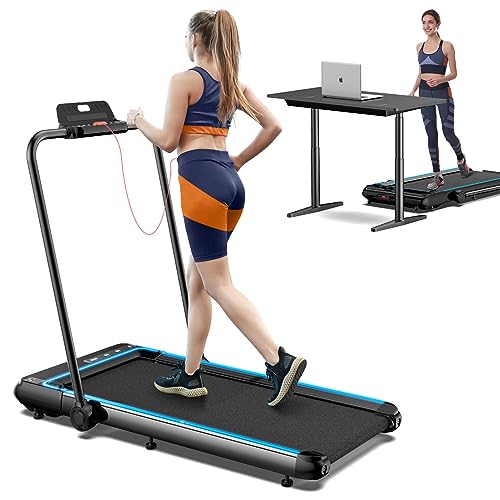
Self Powered Treadmill
Add a review FollowOverview
-
Founded Date December 26, 1940
-
Sectors IT Systems Administrator
-
Posted Jobs 0
-
Viewed 10
Company Description
Guide To Non Powered Treadmill: The Intermediate Guide The Steps To Non Powered Treadmill
The Non-Powered Treadmill: A Comprehensive Guide
Over the last few years, the physical fitness market has seen a notable shift towards more sustainable and efficient exercise equipment. Amongst these developments, non-powered treadmills– often referred to as manual treadmills– have actually gained popularity among physical fitness lovers and casual gym-goers alike. This article delves into what non-powered treadmills are, their benefits, and how they compare to standard, powered treadmills.
What is a Non-Powered Treadmill?
A Non Powered Treadmill, global.gwangju.ac.kr,-powered treadmill is a type of treadmill that does not rely on electricity to function. Instead, it uses the user’s effort to propel the running belt. The user needs to push the belt backwards with their feet while walking or running, making it a more physically requiring workout choice.
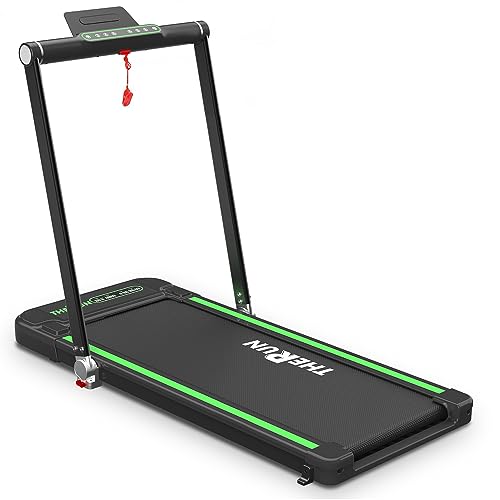
Secret Features of Non-Powered Treadmills
| Feature | Description |
|---|---|
| Source of power | Manual Incline Treadmill; no electricity needed |
| User Control | Speed and intensity are determined by the user |
| Mobility | Frequently lighter and much easier to move than powered models |
| Upkeep | Usually requires less upkeep and repair work |
| Resilience | Frequently developed with durable, long-lasting materials |
Advantages of Non-Powered Treadmills
1. Increased Caloric Burn
Because users must generate the motion themselves, non-powered treadmills can promote a higher caloric burn compared to motorized models. A study highlighted that working on a manual treadmill might burn up to 30% more calories than a powered treadmill at the very same speed.
2. Engagement of More Muscle Groups
Non-powered treadmills need users to utilize more muscle groups, consisting of legs, core, and even upper body (to keep balance and posture). This produces a more holistic exercise.
3. Improved Athletic Performance
For athletes looking to improve their running efficiency, manual treadmills provide an exceptional method to construct endurance and stamina. The self-propelling nature encourages greater effort, imitating outside running conditions.
4. Minimized Injury Risk
Manual treadmills typically have a lower impact on joints than their powered equivalents. Users can manage their pace and strength, permitting a more customized exercise that decreases the risk of injury.
5. Cost-Effectiveness
Non-powered treadmills are usually cheaper than motorized variations, making them an attractive option for budget-conscious fitness enthusiasts. Moreover, their lack of electrical elements means lower operational expenses too.
Comparing Non-Powered and Powered Treadmills
When selecting between a non-powered and a powered treadmill, it is vital to weigh the advantages and disadvantages. Below is a contrast chart highlighting the distinctions:
| Feature | Non-Powered Treadmill | Powered Treadmill |
|---|---|---|
| Power Source | Manual | Electric |
| Calorie Burn | Higher due to self-propulsion | Basic |
| Upkeep | Low | Higher due to electrical parts |
| Portability | High | Typically bulky and heavy |
| User Control | Fully depending on user effort | Can set speeds and incline easily |
| Cost | Generally lower cost | Can be quite pricey |
How to Use a Non-Powered Treadmill Effectively
Getting the most out of a non-powered treadmill indicates utilizing appropriate methods and workout strategies:
Warm-Up
Before beginning, it’s important to heat up. Dynamic stretches and light walking will prepare your body for the exercise ahead.
Start Slow
Begin at a comfy walking speed to get accustomed to the mechanics of the treadmill. As you construct self-confidence, gradually increase your speed.
Vary Your Workouts
Explore various workout routines, consisting of interval training, steady-state running, or slope walking. This range will keep exercises exciting and improve general physical fitness.
Concentrate on Form
Keeping appropriate posture is crucial. Keep your core engaged, shoulders unwinded, and direct. This will not only boost efficiency but also lower the threat of injury.
Cool off
After your exercise, take some time to cool down. Gradually reduce your speed followed by static extending to help healing.
Regularly Asked Questions (FAQs)
1. Are non-powered treadmills suitable for beginners?
Yes, Non Motorised Treadmill Uk-powered treadmills can be ideal for novices as they permit users to move at their own pace and intensity. However, newbies should begin gradually to adapt to the exercise.
2. How much do non-powered treadmills cost?
Costs vary significantly, however non-powered treadmills usually vary from ₤ 200 to ₤ 800, depending on functions and brand.
3. Can you utilize a non-powered treadmill for walking workouts?
Absolutely! Non-powered treadmills are excellent for both walking and running workouts. Users can change their intensity based on physical fitness levels.
4. Do non-powered treadmills work well for interval training?
Yes, they are perfect for interval training since users can rapidly alter their rate and incline, making workouts highly customizable.
5. Are they loud?
Non-powered treadmills are generally quieter than powered variations, which makes them ideal for home health club setups.
Non Motorised Treadmill Uk-powered treadmills provide an effective and efficient method to attain cardiovascular fitness while engaging multiple muscle groups. With the capability to burn more calories and promote athletic performance, these gadgets stand apart in a crowded fitness equipment market. Their cost-effectiveness, lower maintenance requirements, and suitability for a wide variety of users make them an appealing option for anyone looking to improve their fitness routine. As with any devices, proper use and strategy are essential for optimizing advantages– so lace up those shoes and hit the manual treadmill for an exercise that genuinely meets your requirements.