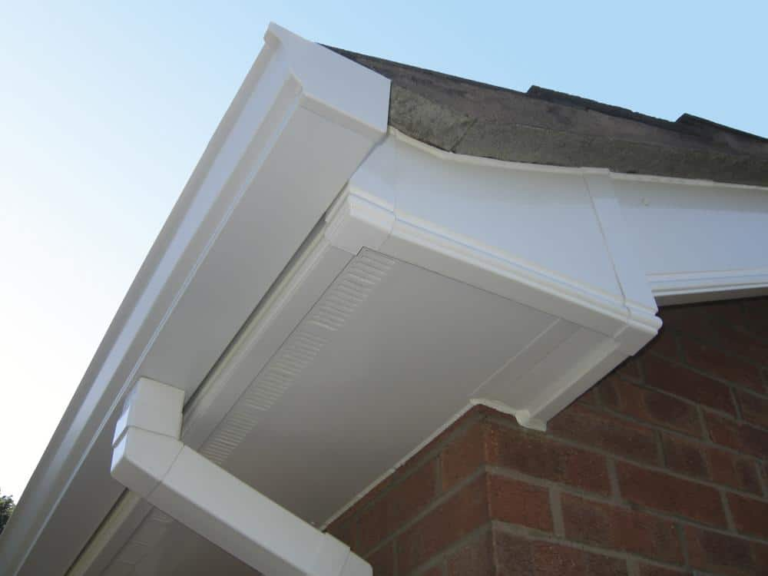
Roofline Replacement
Add a review FollowOverview
-
Founded Date April 22, 1986
-
Sectors Accounting / Finance
-
Posted Jobs 0
-
Viewed 111
Company Description
20 Fun Facts About Fascia And Soffit Contractor
Understanding Fascia and Soffit: The Role of a Contractor
Fascia and soffits play a vital role in the general health and longevity of a home’s exterior. They are typically the unsung heroes that contribute to the visual appeal and functional integrity of a building. For homeowners aiming to boost their residential or commercial property, hiring a qualified fascia and soffit contractor is key. In this post, we’ll dive deep into what fascia and soffits are, their value, common products used, and how to select the ideal contractor for your job.
What Are Fascia and Soffit?
Fascia
Fascia And Soffit Installation is a long board that runs horizontally along the edge of the roofline. Its primary tasks consist of:
- Protecting the roof’s edge from numerous weather elements
- Supporting the bottom row of roofing tiles or shingles
- Functioning as a mounting area for seamless gutters
Soffit
Affordable Soffit Replacement refers to the panel that connects the outside walls of a home to the roofing overhang. Its functions include:
- Providing ventilation for the attic, helping to avoid wetness accumulation
- Securing the rafters from bugs and weather condition damage
- Enhancing the visual appeal of a home by developing a smooth transition from the roofline to the walls
Value of Fascia and Soffit
The significance of Fascia Installation and soffit can be summarized in the following points:
1. Protection Against Elements
Both fascia and soffits assist secure the underlying structures of a home from rain, snow, and pests. They serve as barriers that avoid water from permeating the roofing system and walls.
2. Ventilation
Effectively set up soffits ensure that air streams correctly through the attic, avoiding moisture accumulation and extending the life of roof materials.
3. Suppress Appeal
Fascia and soffits can significantly enhance the aesthetic worth of a home. Readily available in various colors and products, they can complement the total style and design.
4. Structural Integrity
Ignoring Fascia And Soffit Experts and soffit maintenance can result in structural issues, consisting of wood rot, mold growth, and even pest infestations, which can be expensive to repair.
Common Materials Used
Fascia and soffit can be made from a variety of products, each with its benefits and drawbacks. Here’s a relative table of some typical materials:
| Material | Pros | Cons |
|---|---|---|
| Wood | Aesthetic, flexible | Needs routine maintenance, prone to rot and bugs |
| Vinyl | Low maintenance, resistant to rot | Less long lasting, can fade gradually |
| Aluminum | Resilient, light-weight | Can damage quickly, might rust in time if not appropriately dealt with |
| Fiber Cement | Extremely durable, resistant to fire | Much heavier, more costly |
Choosing the Right Fascia and Soffit Contractor
Picking a proficient fascia and soffit contractor is essential. Here are some factors to consider:
1. Experience and Qualifications
Search for professionals who have comprehensive experience in setting up Fascia And Soffit Experts and soffit. Look for relevant accreditations and licenses.
2. Track record
Read reviews and reviews from previous customers. A trustworthy contractor will have a strong performance history of completing jobs successfully.
3. Portfolio
Ask to see examples of previous work. A great contractor ought to be able to showcase a range of designs and finishes.
4. Insurance coverage and Warranty
Guarantee the contractor has general liability insurance and provides warranties on products and craftsmanship.
5. Clear Communication
A reliable contractor will interact openly and clearly, addressing any issues you might have throughout the project.
6. Cost Estimates
Acquire multiple quotes to compare rates. Watch out for estimates that appear too low; they can suggest substandard materials or services.
Often Asked Questions (FAQ)
Q1: How typically should fascia and soffit be checked?
A: It’s suggested to inspect fascia and soffit at least as soon as a year, preferably in the fall or Soffit And Fascia Repair spring. Look for signs of damage or wear, such as peeling paint or indications of decaying.
Q2: Can I install fascia and soffit myself?
A: While DIY installation is possible for those with experience and the right tools, it is typically best to employ a professional to make sure appropriate installation and avoid prospective issues.
Q3: What are the signs that I require to replace my fascia and soffit?
A: Signs of damage consist of discoloration, warping, drooping, mold growth, and pest problems.
Q4: How long does it take to set up fascia and soffit?
A: The installation timeframe can differ based on the size of the home and the materials used, but generally, it can take anywhere from a couple of hours to a couple of days.
Q5: What aspects can affect the cost of fascia and soffit installation?
A: Factors consist of the materials you choose, the size of your home, labor expenses in your area, and any needed repairs to underlying structures.
Fascia and soffit are important parts of any home’s structure and visual appeals. Comprehending their importance and functions can assist homeowners make informed choices about repairs and renovations. Hiring a qualified fascia and soffit contractor makes sure that you receive quality work that not just improves your home’s beauty however also secures its stability for many years to come. By considering the suggestions and information supplied in this guide, you can start your home enhancement project with self-confidence.