

Pushchair
Add a review FollowOverview
-
Founded Date June 26, 1921
-
Sectors Health Care
-
Posted Jobs 0
-
Viewed 50
Company Description
The 10 Scariest Things About Pram And Pushchair
Understanding the Differences Between Prams and Pushchairs: A Comprehensive Guide
When it pertains to transferring infants and children, moms and dads are frequently confronted with a myriad of choices, specifically when it concerns prams and pushchairs. While the terms are frequently used interchangeably, they describe various types of baby transport systems that serve distinct functions. This blog site post intends to clarify the distinctions between prams and pushchairs, providing vital info for brand-new moms and dads and caretakers.
What is a Pram?
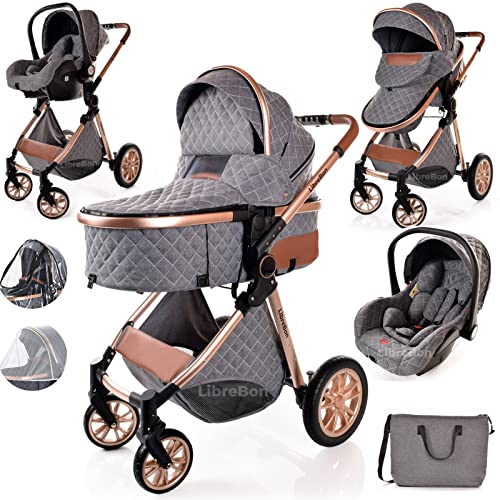
A pram, short for “perambulator,” is specifically created for babies. These standard baby providers have a deep, flat body that is matched for newborns as it enables them to lie flat. The style of a pram is focused mainly on comfort and safety for really young babies.
Key Features of a Pram:
| Feature | Description |
|---|---|
| Flat Sleeping Position | Supplies a level surface, crucial for newborns’ spine health. |
| Enclosed Design | Frequently has a hood and can be fully enclosed to protect from aspects. |
| Weight | Usually heavier and tougher than pushchairs for included stability. |
| Style | Usually has a traditional design, typically made with premium products. |
What is a Pushchair?
In contrast to prams, pushchairs, also referred to as strollers, are normally created for toddlers and older infants who can stay up unaided. They generally have actually a seated position and might include a reclining feature for sleeping, making them a versatile alternative for growing children.
Key Features of a Pushchair:
| Feature | Description |
|---|---|
| Seating Position | Designed for kids who can sit up, usually with a safety belt. |
| Lightweight & & Foldable | Typically made from lighter materials for easy transportation. |
| Maneuverability | Usually more agile in navigating tight spaces. |
| Storage Options | Many consist of storage baskets and pockets for benefit. |
Comparing Prams and Pushchairs
A Side-by-Side Comparison
| Criteria | Pram | Pushchair |
|---|---|---|
| Age Range | Newborns to around 6 months | 6 months to 4 years (or older) |
| Design | Deep, flat body for lying flat | Seated body, often with reclining options |
| Weight | Heavier and sturdier | Lighter and more portable |
| Flexibility | Mainly for babies | Suitable for older babies and toddlers |
| Ease of Use | More challenging to maneuver in small spaces | Simpler to deal with due to light-weight style |
| Storage Capability | Typically less storage for individual items | Generally equipped with storage baskets |
Situational Use Cases
To help parents choose which option is best for them, here are some scenarios where one might be more beneficial than the other:
When to Use a Pram:
- For Newborns: When a baby is extremely young and needs a flat sleeping position.
- Long Walks: Ideal for long leisurely walks where the baby can comfortably nap.
- Rugged Terrain: Suitable for irregular or rough ground due to its tough develop.
When to Use a Pushchair:
- Older Infants: Perfect for babies who can sit up, permitting for interaction and engagement.
- Public Transport: Easier to handle in congested or tight areas like buses or shops.
- Quick Trips: Convenient for short errands or quick outings where you need to be on the go.
Often Asked Questions (FAQ)
1. Can I utilize a pushchair for a newborn?
While some pushchairs have the capability to recline totally, they are usually not suggested for newborns who need a flat surface. Always check the producer’s guidelines.
2. What are travel systems?
Travel systems are combinations of a safety seat and a pushchair or pram (www.carolsterr.top) that connect effortlessly, enabling moms and dads to move the baby without having to move them from one seat to another.
3. How do I choose in between a pram and a pushchair?
Consider your lifestyle: If you take long strolls and desire something for a newborn, a pram might be best. If you need a versatile choice for a growing child, a pushchair might be more suitable.
4. Are there hybrid alternatives offered?
Yes, many manufacturers provide 2-in-1 or 3-in-1 models that can transform from pram to pushchair, offering flexibility as your kid grows.
5. What maintenance is needed for prams and pushchairs?
Routinely examine the security harness, wheels, and brakes. Clean the fabric according to the producer’s directions and ensure that all mechanisms are working properly.
Picking between a pram and a pushchair can be daunting for new parents, however comprehending their distinctions is crucial for making the best choice. Prams use a safe and comfortable choice for infants, while pushchairs supply flexibility and ease of usage for older kids. Each has its benefits and ideal usage cases, making it important to examine your needs based upon your way of life and the age of your child. By thinking about these aspects, parents can ensure a comfy and enjoyable experience for both themselves and their little ones.