

Mini Cycle Exercise Bike
Add a review FollowOverview
-
Founded Date May 27, 1968
-
Sectors Accounting / Finance
-
Posted Jobs 0
-
Viewed 106
Company Description
A Look At Exercise Bike Shop’s Secrets Of Exercise Bike Shop
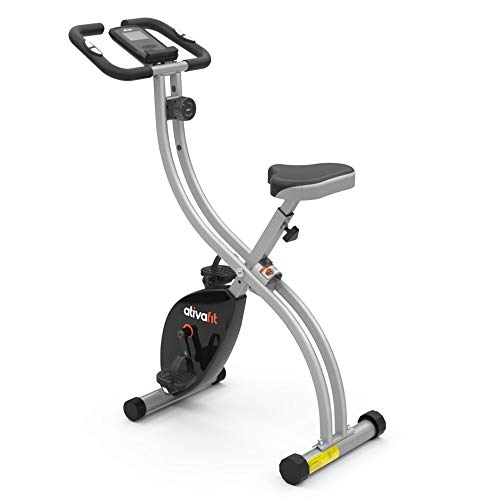
The Ultimate Guide to Choosing the Perfect Exercise Bike: Insights from an Exercise Bike Shop
In the last few years, the appeal of home physical fitness equipment has actually risen, and exercise bikes have actually become a staple for lots of people looking for to keep their health and fitness. A stationary bicycle shop can be your go-to resource for discovering the right bike that fulfills your distinct requirements, preferences, and spending plan. In this thorough guide, we will dig into the different types of stationary bicycle, necessary features to think about, maintenance tips, and frequently asked concerns to assist you make an informed purchase.
Understanding the Different Types of Exercise Bikes
When checking out an exercise bike shop, you’ll experience a range of exercise bikes, each dealing with various fitness levels and choices. Below is a table summarizing the four primary kinds of stationary bicycle home exercise available:
| Type of Bike | Description | Pros | Cons |
|---|---|---|---|
| Upright Bike | Functions a standard bike design, where the rider sits upright. | Compact, simulates outdoor cycling | Can be uncomfortable for long rides |
| Recumbent Bike | Has a reclined seating position using back support. | Comfy, lower back strain | Bigger footprint, less extreme Exercise Bike Home |
| Spin Bike | Created for high-intensity exercises, often found in group classes. | Great for calories burning, adjustable resistance | May require learning curve |
| Air Bike | Uses air resistance instead of magnets, providing a full-body exercise. | Suitable for all physical fitness levels, outstanding calorie burning | Noisy, can be frightening for beginners |
Benefits and drawbacks of Each Bike Type
-
Upright Bike
- Pros:
- Mimics the feeling of outdoor cycling.
- Compact design fits well in smaller sized areas.
- Cons:
- May cause pain in the lower back or buttocks after extended usage.
- Pros:
-
Recumbent Bike
- Pros:
- Provides better lumbar support, decreasing strain on the back.
- Easier on the knees, making it ideal for rehabilitation.
- Cons:
- Takes up more area compared to upright models.
- Less extreme exercise due to simpler riding position.
- Pros:
-
Spin Bike
- Pros:
- Offers a robust workout, frequently integrating interval training.
- Personalized saddle and handlebars for ideal convenience.
- Cons:
- Can be rather pricey; greater end models may be required for major bicyclists.
- Needs some modification for novices.
- Pros:
-
Air Bike
- Pros:
- Provides a full-body workout; engages limbs.
- Resistance increases with effort, adjusting to user fitness levels.
- Cons:
- Generally noisier than other exercise cycles for sale bikes.
- May feel difficult for novices or those unaccustomed to high-intensity exercises.
- Pros:
Essential Features to Consider
When buying an exercise bike, it’s important to evaluate numerous features that can improve your exercise experience. Here’s a list of essential features to think about:
-
Resistance Levels: Look for bikes that offer multiple resistance levels to challenge yourself as your physical fitness improves.
-
Adjustability: Ensure the seat and handlebars can be adjusted to fit your height for a comfortable trip.
-
Display Console: Many bikes come geared up with a digital display to track metrics like speed, range, time, and calories burned.
-
Connection: Some exercise bikes offer Bluetooth connection for integration with physical fitness apps, improving your exercise tracking.
-
Built-in Workouts: Consider bikes with pre-set workout programs to assist differ your regimen.
-
Weight Capacity: Check the maximum user weight limitation to guarantee the bike is tough enough for your needs.
-
Service warranty: A solid service warranty can provide assurance relating to sturdiness and dependability.
Maintenance Tips for Exercise Bikes
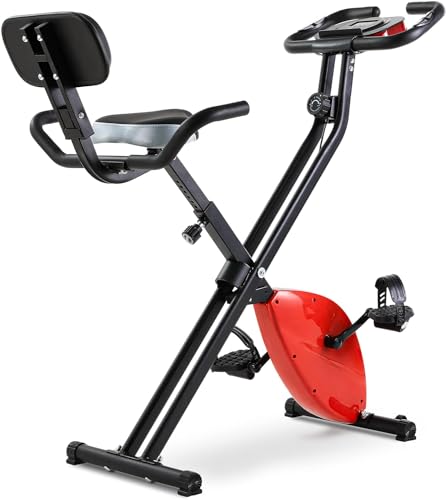
Regular upkeep is important for ensuring the durability of your exercise bike in home bike. Here are some pointers to keep your bike in ideal condition:
-
Keep it Clean: Wipe down the bike after each use to eliminate sweat and dust.
-
Tighten Screws and Bolts: Periodically inspect screws and bolts to guarantee they are safely fastened.
-
Lubricate Moving Parts: Apply lube to the moving parts to decrease wear and tear.
-
Inspect the Drive Belt: Check for wear and tear and replace as necessary.
-
Shop Properly: If you reside in a damp environment, think about covering the bike or keeping it in a dry place to avoid rust.
Often Asked Questions (FAQ)
1. What is the distinction between an upright bike and a recumbent bike?
An upright bike has a more conventional cycling position, which can strengthen core muscles and imitate outside biking. A recumbent bike has a reclined seat that provides back support, making it simpler on the joints and appropriate for longer workouts.
2. How much should I spend on a stationary bicycle?
Costs can vary from a couple of hundred dollars to several thousand. For a great quality bike, anticipate to spend a minimum of ₤ 300 to ₤ 700. Higher-end models, particularly spin bikes, can cost upwards of ₤ 1000.
3. How frequently should I use my exercise bike for ideal outcomes?
For basic physical fitness, aim for 150 minutes of moderate aerobic activity each week, or about 30 minutes a day, 5 days a week. For weight reduction or performance goals, you might wish to increase this period or intensity.
4. Can a stationary bicycle help with weight loss?
Yes, stationary bicycle can be efficient tools for weight-loss when combined with a balanced diet plan and a constant workout routine. The key is to keep a sufficient level of strength to burn calories.
5. What are some typical mistakes to prevent when using a stationary bicycle?
- Utilizing improper form (for example, leaning too far forward).
- Setting the seat too low or too high, resulting in pain.
- Neglecting resistance; guarantee you’re differing it to optimize your exercise benefits.
Selecting the ideal stationary bicycle from a stationary bicycle store can considerably boost your physical fitness journey. With a range of bikes offered and necessary functions to think about, it’s essential to identify your specific needs and goals. By getting knowledge about the various bike types and upkeep suggestions, you can make an educated choice that aligns with your physical fitness goals. Never ever think twice to seek suggestions from notified sales personnel and consumer reviews to assist assist your purchase. Pleased cycling!