

Kühl-Gefrier-Kombination Freistehend Test
Add a review FollowOverview
-
Founded Date May 15, 1967
-
Sectors Automotive Jobs
-
Posted Jobs 0
-
Viewed 79
Company Description
Refrigerator With 0-Degree Zone Test: The Ugly Reality About Refrigerator With 0-Degree Zone Test
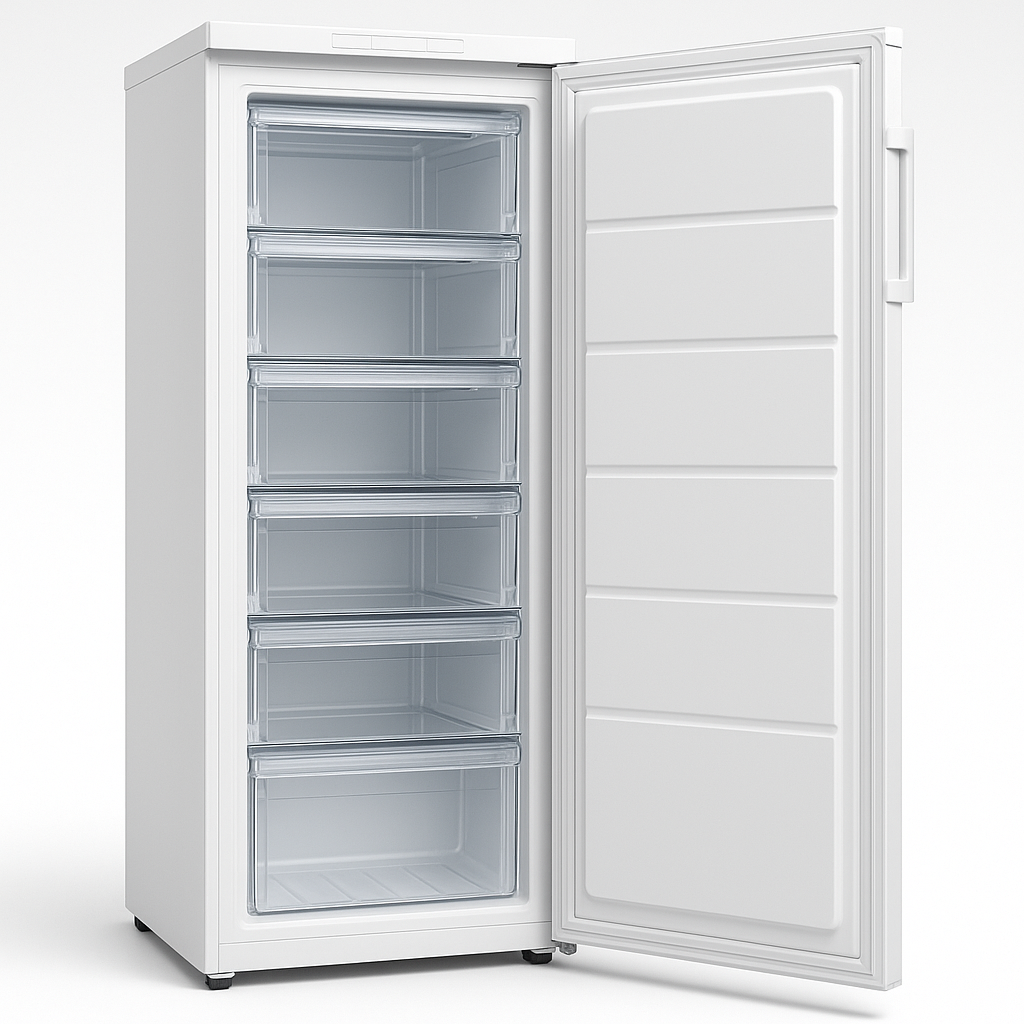
The Refrigerator with 0-Degree Zone Test: A Comprehensive Examination
Fridges are a vital device in modern families, adding to food storage, preservation, and security. Amongst numerous features in these appliances, the 0-degree zone stands out as a significant innovation, designed to extend the freshness of meats, dairy items, and other disposable products. This blog site post will explore the principle of a refrigerator with a 0-degree zone, its advantages, functional mechanisms, elements to consider when searching for one, and lastly provide insights into dry runs that can be conducted to evaluate their efficiency.
What is a 0-Degree Zone?
A 0-degree zone, typically referred to as a chill compartment or fresh food zone, maintains a temperature level close to 0 ° F(-18 ° C). Unlike standard refrigerators that operate around 36 ° F to 40 ° F( 2 ° C to 4 ° C), this specialized zone is specifically crafted to keep perishable foods at optimum freshness levels for extended periods.
Table 1: Comparison of Temperature Zones in Refrigerators
| Temperature level Zone | Temperature level Range | Suitable For | |||||||
|---|---|---|---|---|---|---|---|---|---|
| Freezer | -0 ° F to 0 ° F( | -18 ° C to -17 ° C) Long-term storage of frozen foods | |||||||
| 0-Degree Zone | 0 ° F to 5 ° F(-18 ° C to -15 ° C) Fresh meats, fish, and | ||||||||
| dairy Refrigerator 36 ° F to 40 ° F( | 2 ° C to 4 ° C) Vegetables, prepared food, einbaukühlschrank no frost; https://www.peterjovel.top, beverages Crisper Drawer 32 | ° F to 36 ° F(0 ° C to 2 ° C) | Fruits and vegetables Benefits of | a 0-Degree Zone Extended Freshness: Foods kept
in a 0-degree zone
|
Fridges with 0-degree zones can in some cases consume more energy, so try to find models that offer energy efficiency. 3.
Temperature level Consistency Examine temperature level settings. Some refrigerators have adjustable settings, while others maintain a constant temperature. 4. Additional Features Look for extra features such as air filtering systems, adjustable shelving, door alarms, and humidity controls, which can enhance total performance.
5. Price Range Compare prices
across various brand names and designs. While a 0-degree zone adds worth, it may likewise include a greater price point.
Table 3: Factors to Consider Element Description Size and Capacity Guarantee the refrigerator fits your kitchen area space. Energy Efficiency Search for models with good energy scores. Temperature level Control Adjustable settings for
ideal flexibility.
Additional Features Air filters, alarms, and humidity control alternatives. Price Range Compare costs to fit your spending plan. How to Test the Effectiveness
of the 0-Degree Zone When you have actually picked your
refrigerator
with a 0-degree zone
, understanding how
to test its efficiency will guarantee you get the benefits
guaranteed. 1. Utilize a Thermometer
Location a refrigerator thermometer in the
0-degree zone. After 24 hours, examine the
reading to gauge whether it’s consistently keeping
the desired temperature level. 2. Conduct a
Food Safety Test Store a variety of meats(for example, chicken
, beef, and fish)in the
0-degree zone and check after a number of days
for wasting signs, such as staining and off-odors.
3. Examine Texture and Flavor Cook and sample grocery store in the 0-degree zone to compare texture and taste with those saved at regular refrigerator temperature levels. 4. Monitor Energy Consumption If possible, keep track of the energy usage of your refrigerator over a month to determine practicality against its efficiency. Regularly Asked Questions (FAQ)1.
What foods are best suited for the 0-degree zone? The 0-degree zone is perfect for fresh meats, fish, dairy products, and particular herbs. These items benefit most from the chillier temperature level, extending their freshness
. 2. Is it safe to keep all types of food in a 0-degree zone? Not all foods are matched for extreme cold. For instance, the majority of veggies and fruits should be kept in greater temperature zones. 3. Can I keep cooked food in the
0-degree zone? Yes, you can store cooked food in the 0-degree zone, especially if it will be utilized rapidly, guaranteeing it maintains its quality.
4. How does the 0-degree zone compare to freezing? While both goal to preserve food, freezing stops any bacterial development entirely, while the 0-degree zone still keeps items fresh without freezing them solid. 5. Do all fridges include a 0-degree zone? Not every refrigerator consists of a 0-degree zone
. When shopping, specifically search for designs with this feature. In
conclusion, fridges geared up with a 0-degree zone are an important addition to any kitchen, particularly for those