

Hobs Oven
Add a review FollowOverview
-
Founded Date December 28, 1929
-
Sectors Sales & Marketing
-
Posted Jobs 0
-
Viewed 80
Company Description
The 3 Biggest Disasters In Oven And Hob The Oven And Hob’s 3 Biggest Disasters In History
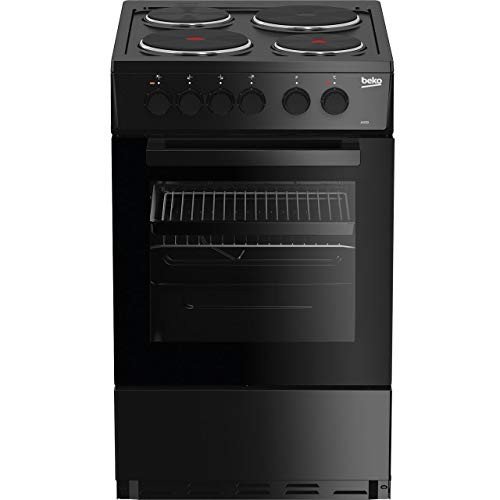
The Complete Guide to Ovens and Hobs: Choosing the Right Appliances for Your Kitchen
When it comes to producing cooking masterpieces, the significance of quality kitchen home appliances can not be overstated. Ovens hobs (Http://telman.Me/hobs9352) and hobs are the heart of any kitchen, making it possible for home cooks and expert chefs alike to produce, bake, and sauté scrumptious meals. Comprehending the various types of ovens and hobs, together with their functions and performances, is crucial for making informed acquiring choices. This article provides an extensive look at ovens and hobs, assisting you navigate the choices readily available so that you can boost your kitchen’s performance and versatility.
Comprehending Ovens
Ovens are necessary for cooking and baking and come in different types to satisfy diverse cooking requirements. Here is an introduction of the most common types of ovens:
1. Conventional Ovens
Standard ovens work by warming the air inside with gas or electric components. They are best for baking cakes, roasting meats, and cooking casseroles.
2. Convection Ovens
These ovens and hob use a fan to circulate hot air, providing an even temperature level throughout, which can substantially decrease cooking times. They are perfect for baking cookies or roasting veggies.
3. Microwave Ovens
Microwaves cook food quickly utilizing electromagnetic radiation. They are ideal for reheating leftovers or thawing frozen foods however are not ideal for browning or crisping.
4. Wall Ovens
Including a wall oven into your kitchen style can save area and develop a smooth aesthetic. They operate similar to traditional or convection ovens however are built into the wall for easy gain access to.
5. Variety Ovens
These ovens integrate stovetop burners with an cheap oven and hob, offering adaptability for those who choose a single home appliance for all cooking needs.
| Type | Cooking Method | Best For |
|---|---|---|
| Standard | Electric/Gas | Baking, roasting |
| Convection | Air circulation | Quick cooking, even baking |
| Microwave | Electromagnetic | Reheating, thawing |
| Wall Ovens | Electric/Gas | Space-saving, streamlined design |
| Variety Ovens | Electric/Gas | Flexible cooking |
Exploring Hobs
Hobs, likewise understood as cooktops or stovetops, provide the surface area to prepare pans directly over a heat source. Like ovens, hobs come in different types, which can be classified as follows:
1. Gas Hobs
These hobs utilize a flame for cooking and supply instant heat control. They are preferred by lots of chefs for their responsiveness and precision.
2. Electric Hobs
Electric hobs use coils or flat surface areas to heat pans. They provide a consistent heat source, however they may take longer to cool down compared to gas hobs.
3. Induction Hobs
Induction hobs use electro-magnetic energy to heat pots and pans directly, making them extremely efficient and quicker to cook. They are likewise simpler to clean as the surface stays reasonably cool.
4. Solid Plate Hobs
These are older technology that utilizes solid metal plates to supply heat. They are resilient however are less effective than modern-day choices.
| Type | Heat Source | Advantages | Downsides |
|---|---|---|---|
| Gas hobs oven | Flame | Instantaneous heat control | Needs gas connection |
| Electric Hobs | Electric coils | Constant heat | Slower to cool down |
| Induction Hobs | Electromagnetic | Fast cooking, energy-efficient | Requires suitable pots and pans |
| Strong Plate Hobs | Strong metal plate | Sturdiness | Less effective |
Choosing the Right Appliances
Picking the perfect oven and hob for your kitchen includes considering numerous elements:
1. Space and Layout
Step your kitchen location to figure out the size and placement of the oven and hob. Ensure there is appropriate ventilation, especially for gas devices.
2. Cooking Style
Think about how frequently you prepare and the kind of meals you prepare. A stove may fit devoted bakers, while someone who often stir-fries might prefer an induction hob.
3. Energy Source
Choose the energy source that best fits your way of life. Gas offers immediate control, while electric and induction hobs supply ease of usage and are often more energy-efficient.
4. Budget
Identify your spending plan for kitchen appliances. Ovens and hobs vary significantly in price, depending on functions and brand names. Focus on necessary functions that satisfy your needs.
5. Functions
Search for performances such as self-cleaning alternatives, smart innovation compatibility, particular rack configurations for ovens, and safety features for hobs.
Frequently Asked Questions (FAQs)
Q1: What is the difference between a conventional oven and a convection oven?A1: Conventional ovens heat up the air within without fans, while convection ovens make use of a fan to distribute hot air for more even cooking. Q2: Can I use aluminum pots and pans on induction hobs?A2: No, induction hobs need ferrous (magnetic )products like cast iron or stainless-steel to work effectively. Q3: Do gas hobs heat much faster than electric hobs?A3: Yes, gas hobs provide instant heat, making them much faster for cooking compared to electric hobs. Q4: Is it safe to utilize a microwave oven?A4: Yes, when used according to the manufacturer’s instructions, microwave are considered safe for food preparation.
Q5: How frequently ought to I clean my oven and hob uk?A5: For optimum performance, clean your oven frequently, specifically after spills. Hobs should be cleaned down after each use
to avoid accumulation. Ovens and hobs
are indispensable elements of a fully equipped kitchen. Comprehending the numerous types, their performances, and the considerations involved in acquiring
them can considerably enhance cooking experiences. Whether one is a casual home cook or a professional chef, investing time in choosing the ideal appliances can result in cooking success and complete satisfaction in the kitchen. By focusing on functions that line up with your cooking design, energy sources that fit your home, and budget plan factors to consider, you can develop an effective work area that motivates cooking imagination.