

Hob Extractor
Add a review FollowOverview
-
Founded Date September 24, 1913
-
Sectors Sales & Marketing
-
Posted Jobs 0
-
Viewed 3
Company Description
The 9 Things Your Parents Taught You About Cooker Hoods Uk
A Comprehensive Guide to Cooker Hoods in the UK
When it comes to Modern Kitchen Extractor Fan kitchens, cooker hoods (or range hoods) are a vital appliance that combines design and functionality. They not only improve the visual appeal of a kitchen but likewise play a vital function in enhancing indoor air quality by eliminating smoke, grease, and odors produced throughout cooking. In the UK, there’s a diverse series of cooker hoods available, catering to different choices and kitchen styles. This blog post aims to offer an extensive summary of cooker hoods readily available in the UK, covering types, functions, advantages, and essential considerations when choosing the best one for your home.
Kinds Of Cooker Hoods
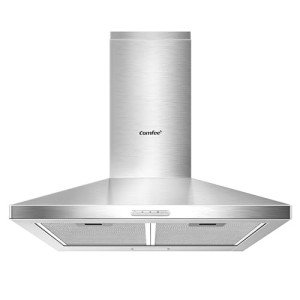
Understandably, choosing the best kind of cooker Extractor Fan Hood is essential to guaranteeing it fits well within your kitchen area and satisfies your cooking needs. Below is a table summarizing the different kinds of cooker hoods available in the UK.
| Kind Of Cooker Fans Hood | Description | Setup Style | Best For |
|---|---|---|---|
| Wall-Mounted | Connected to the wall above the cooker. | Installed on the wall | Kitchens with a range or oven versus a wall. |
| Island | Suspended from the ceiling over an Island Cooker Hoods cooktop. | Ceiling-mounted | Open-plan kitchens with island cooktops. |
| Under-Cabinet | Fits under kitchen cabinets, conserving area. | Installed under cabinets | Small kitchens with limited area. |
| Freestanding | A standalone unit, incorporating with cabinets. | Floor-mounted | Standard or rustic kitchen designs. |
| Downdraft | Withdraws into the countertop when not in usage. | Constructed into the countertop | Modern kitchens and those with minimalistic styles. |
Secret Features to Consider
When picking the perfect cooker hood for your kitchen, there are a number of essential functions that can affect efficiency and performance:
-
Extraction Type:.a. Ducted: This type requires external ventilation and successfully eliminates cooking smells.b. Recirculating: Uses filters to clean the air before recirculating it back into the kitchen; perfect for areas without external ducts.
-
Filtration System:.a. Metal Grease Filters: Durable and multiple-use; can be cleaned quickly.b. Charcoal Filters: Used with recirculating hoods; efficient in removing odors but need changing frequently.
-
Noise Level: Measured in decibels (dB), consider hoods that run at lower noise levels (below 70 dB) for a quieter cooking experience.
-
Suction Power: Measured in cubic meters per hour (m ³/ h), a high suction power is essential for effective smoke and odor removal.
-
Lighting: Integrated LED lights can enhance presence on your cooking surface area.
-
Control Options: Some designs feature touch controls, push-button control, or perhaps smartphone compatibility for Modern Cooker Hood benefit.
-
Design and Finish: From stainless-steel to glass and even personalized options, it’s crucial to select a style that matches your kitchen decoration.
Advantages of Using a Cooker Hood
Setting up a cooker hood comes with many advantages, not only enhancing the kitchen environment but also improving cooking effectiveness. Here are some benefits:
- Air Quality Improvement: Removes pollutants and promotes a much healthier cooking atmosphere.
- Odor Elimination: Prevents sticking around smells from cooking, enhancing total home environment.
- Lowered Grease Build-up: Helps keep a cleaner kitchen by decreasing grease deposits on walls and cabinets.
- Added Light: Often included built-in lighting, improving presence while cooking.
- Visual Appeal: Available in various styles, they can raise the aesthetic of the kitchen.
Selecting the Right Cooker Hood: A Checklist
Before purchasing, here’s a practical checklist to assist your choice process:
- Assess kitchen size and layout.
- Figure out preferred installation type (ducted vs. recirculating).
- Compute the required suction power based on cooking routines.
- Evaluate noise levels during operation.
- Recognize preferred design and material (stainless steel, glass, etc).
- Check for additional features (lighting, controls).
- Think about upkeep requirements (filter types).
Regularly Asked Questions
1. How do I figure out the ideal size of cooker hood for my kitchen?
To figure out the ideal size, measure the width of your cooking surface. The hood should be at least as large as the cooktop to efficiently record smoke and odors.
2. How frequently should I change the charcoal filter in a recirculating hood?
Depending upon the use, charcoal filters ought to generally be changed every 3-6 months to make sure reliable smell elimination.
3. Is ducted ventilation much better than recirculating?
Ducted systems are usually more effective in eliminating smells and wetness, whereas recirculating systems are easier to install but may not vent steam and smells as completely.
4. Can I install a cooker hood myself?
While some homeowners may choose DIY installation, hiring a professional is a good idea for ducted installations to make sure proper performance and safety.
5. Exists a best time of year to purchase a cooker hood?
Sales can frequently be discovered during seasonal promotions, such as Black Friday or New Year’s sales. Nevertheless, brand-new item releases normally take place in the spring, so off-season may be a great time to find in 2015’s designs on clearance.
Whether you’re a passionate cook or simply a periodic kitchen user, choosing the right cooker hood is an investment that enhances your cooking experience, improves air quality, and complements your kitchen decor. By comprehending the types, functions, and advantages, you can make an educated choice tailored to your private requirements. Constantly remember to consider performance alongside style to ensure your cooker hood ends up being a valuable asset in your kitchen for many years to come.