

French Door Refurbishing
Add a review FollowOverview
-
Founded Date May 11, 1993
-
Sectors Education Training
-
Posted Jobs 0
-
Viewed 21
Company Description
9 Lessons Your Parents Taught You About French Door Adjustment
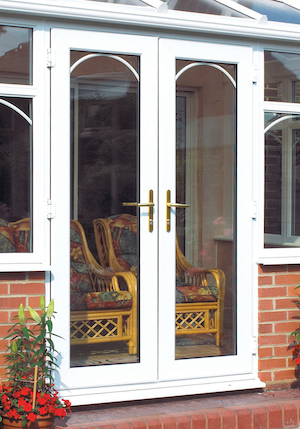
French Door Adjustment: A Comprehensive Guide
French Door Professional doors are a beautiful addition to any home, providing both visual appeal and performance. Nevertheless, in time, these doors can become misaligned due to various elements such as weather condition changes, wear and tear, and incorrect installation. This blog site post offers an in-depth guide to French door adjustment, ensuring your doors operate smoothly while improving the overall charm of your home.
Comprehending French Doors
Before diving into the adjustment procedure, it’s essential to understand what French doors are. French Door Repair Quotes doors include 2 door panels that open from the center, frequently featuring several glass panes. They are frequently utilized to create a smooth shift in between indoor and outdoor areas. However, misaligned French Door Repair Tips doors can result in several issues, including drafts, security dangers, and decreased energy performance.
Signs That Your French Doors Need Adjustment
Determining the requirement for adjustment early can conserve house owners from more considerable issues later on. Here are some signs that your French doors might need attention:
| Sign of Misalignment | Description |
|---|---|
| Spaces Between the Doors | Unequal spacing when closed may suggest a misalignment. |
| Difficulty Opening/Closing | Doors might stick or drag out the floor when opening or closing. |
| Drafts or Leaks | Poor sealing can lead to drafts or water leakages. |
| Irregular Closure | One door may close before the other, compromising security. |
| Noticeable Wear on Seals | Damaged weather stripping can show positioning issues. |
Tools and Materials Needed for Adjustment
Before beginning the adjustment process, gather the necessary tools and products:
| Tool/Material | Usage |
|---|---|
| Phillips Screwdriver | For changing screws on the door hinges and lock. |
| Flathead Screwdriver | For spying seals or adjusting some parts. |
| Level | To inspect the vertical and horizontal alignment of the doors. |
| Measuring tape | To determine gaps and alignment properly. |
| Lube | To make sure smooth operation of hinges and locks. |
| Replacement Weather Stripping | If seals are used and need replacement. |
Step-by-Step French Door Adjustment Process
1. Examine the Door Frames
Begin by checking the frames and hinges of your French Door Handles doors. Search for any apparent signs of wear or damage. Pay special attention to the door jambs and the location around the hinges.
2. Check the Hinges
Most usually, the hinges are the culprits when it concerns misalignment. Tighten up the screws on each hinge using a Phillips screwdriver. If the hinge is removed, think about using a larger screw or a wooden toothpick with wood glue to fill the hole before reinserting the screws.
3. Adjust the Hinge Placement
If tightening up the screws does not solve the problem, you might need to change the hinge positioning:
-
For Sagging Doors: If the door droops, it might require to be raised. Loosen the leading hinge screws slightly, lift the door, and re-tighten the screws.
-
For Doors That Won’t Close Properly: If the doors won’t close flush, you may require to rearrange the lower hinge. Loosen up the screws and move the hinge a little to adjust the door’s position.
4. Use Shims If Necessary
If modifications to the hinges alone do not yield outcomes, think about utilizing shims.
- Insert shims behind the hinge to move the door frame inward or outward.
- Ensure the door hangs straight and operates efficiently after shimming.
5. Inspect the Level
Utilizing a level, verify that both doors are aligned. The level ought to read both horizontally and vertically, verifying that the doors close uniformly.
6. Examine and Replace Weather Stripping
Check the weather condition removing around the doors. If it is used or damaged, replace it to make sure a proper seal. This will assist prevent drafts and improve energy effectiveness.
7. Evaluate the Operation
After making adjustments, open and close both doors a number of times. Ensure that they run efficiently without sticking and that they seal appropriately when closed.
8. Last Adjustments
If still misaligned, review the hinges and change as essential. In some cases, a small tweak can make a substantial difference.
Often Asked Questions (FAQs)
Q1: How often should I change my French doors?
House owners must examine and adjust their French doors at least when a year or whenever they observe indications of misalignment.
Q2: Can I change my French doors myself, or should I work with a professional?
Lots of house owners can carry out standard adjustments with the right tools and some DIY knowledge. Nevertheless, if the doors are significantly misaligned or if you are not sure, employing a professional is suggested.
Q3: What should I do if the hinges are rusted?
If the hinges are rusted, it may be best to replace them. Rust can indicate further wear and tear, causing more significant issues down the line.
Q4: Are there maintenance tips to avoid misalignment?
Routine cleaning and lubrication of hinges, as well as routine examinations, can help prevent misalignment. Avoid knocking the doors and ensure they are used correctly.
Q5: What if my French doors are still misaligned after changes?
If the doors remain misaligned regardless of your changes, think about contacting a professional for an extensive evaluation. There might be structural issues impacting their alignment.
Changing your French doors might appear difficult, but with the right tools and a methodical method, property owners can restore their performance and visual appeals. Regular maintenance and assessments are important in preventing misalignment and lengthening the life of your doors. By following this comprehensive guide, you can delight in the beauty and utility of your French doors for several years to come.