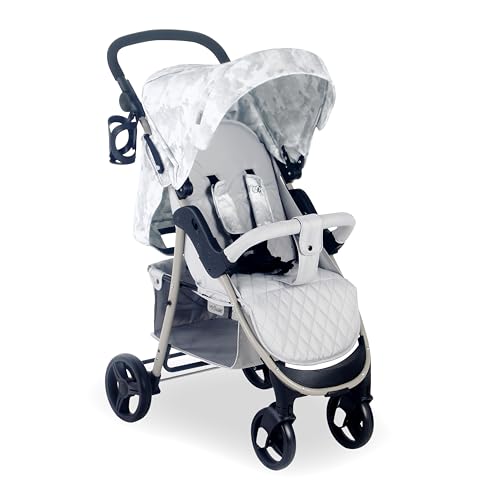
Double Pram And Pushchair
Add a review FollowOverview
-
Founded Date July 26, 1930
-
Sectors Education Training
-
Posted Jobs 0
-
Viewed 9
Company Description
Pram To Stroller Tips From The Top In The Industry
Pram to Stroller: A Comprehensive Guide for New Parents
When you start the journey of being a parent, among the most vital decisions you’ll make is selecting the right mode of transport for your baby. Among the myriad alternatives offered, prams and strollers are 2 popular choices that accommodate different needs and choices. Comprehending the differences between these two items and how to shift from a pram to a stroller can make parenting more comfy and satisfying. This guide looks into the essential features, benefits and drawbacks, and uses important advice for those browsing this crucial purchase.
Comprehending Prams and Strollers
Before diving into the transition from pram to stroller, it’s important to clarify what each term implies.
What is a Pram?
A pram, short for “perambulator,” is a baby carriage designed mostly for newborns. Traditionally, it includes a flat, reclining seat suited for a baby’s requirements, enabling them to lie down conveniently. Prams often have bigger wheels and a more robust frame, which is helpful for stability and ease of motion on different terrains.
What is a Stroller?
Conversely, a stroller is created for older babies and young children. Strollers usually have an upright seat with harnesses, making them safe and safe for babies who can sit up on their own. They are usually lighter and more compact than prams, making them simpler to bring and steer in congested locations.
Key Differences Between Prams and Strollers
| Feature | Pram | Stroller |
|---|---|---|
| Age Range | Newborn to 6 months | 6 months and up |
| Seat Position | Flat reclining | Upright with adjustable choices |
| Weight | Heavier | Lighter |
| Maneuverability | Big wheels for rough surface | Smaller wheels for city use |
| Storage | Less compact when folded | Typically folds compactly |
| Cost Range | Typically higher | Differs commonly |
The Transition: From Pram to Stroller
As your baby grows, their needs will alter, and so will your transport requirements. Transitioning from a pram to a stroller typically takes place around the 6-month mark when your baby can support their head and sit upright. Here’s how to efficiently make this switch:
1. Assess Your Baby’s Readiness
Before making the shift, guarantee your baby can stay up separately. Look for indications that they are strong enough and comfy in an upright position.
2. Choose the Right Stroller
-
Types of Strollers:
- Standard Stroller: Great for everyday usage, with vital features.
- Umbrella Stroller: Lightweight and foldable, ideal for taking a trip.
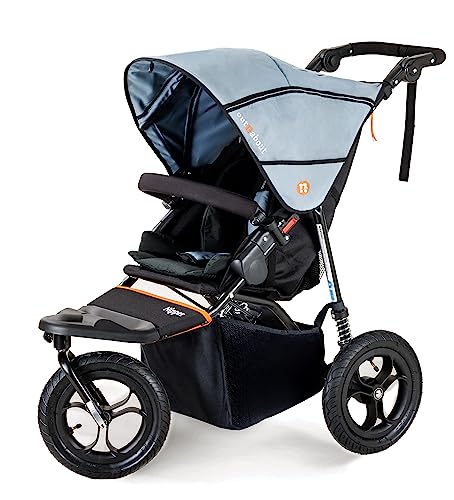
- Jogging Stroller: Designed for active parents who desire to run or jog.
- Convertible Stroller: Can transition from infant seat to toddler seat.
-
Features to Consider:
- Adjustable seat and twin pushchair canopy for comfort and protection from the sun
- Storage area for baby basics
- Easy folding system for transportation and storage
- Strong safety functions, including harness systems
3. Examine Your Lifestyle
Consider your way of life and where you’ll usually be using the stroller. If you often browse city streets, a compact and lightweight choice might be best pushchairs. On the other hand, if you enjoy nature strolls or running, a tough jogging stroller may be ideal.
4. Test Drive
Before buying, constantly check out various strollers. Examine the maneuverability, convenience, and ease of folding. Make sure that you can comfortably lift and bring it as required.
5. Shift Gradually
If your baby is comfy in the pram shops near me but you want to start using the stroller, transition gradually. Start using the stroller for short trips and gradually increase the duration and frequency as your baby ends up being accustomed to it.
Frequently asked questions
Q1: At what age should I shift from a pram to a stroller?
A: Most moms and dads discover that transitioning from a pram to a stroller appropriates when their baby is around 6 months old and can sit up individually.
Q2: Can I use a stroller for a newborn?
A: While many strollers are created for infants, it’s vital to guarantee that the stroller can accommodate a newborn safely. Some strollers feature an infant safety seat attachment, making them ideal for newborns.
Q3: What are the safety factors to consider when using a stroller?
A: Always utilize the safety belt, guarantee the stroller is stable when parked, and never ever leave your child unattended in a stroller.
Q4: Are strollers expensive?
A: Stroller prices differ commonly depending upon features and brand names. It’s possible to discover both economical and high-end alternatives.
Q5: How do I maintain my stroller?
A: Regularly tidy your pushchair stroller, inspect the wheels for wear, ensure the harness system is undamaged, and follow the manufacturer’s guidelines for upkeep.
Transitioning from a pram to a stroller marks an exciting advancement in your child’s journey and your parenting experience. Each has its unique benefits, catering to different stages and needs. By comprehending these differences and taking a thoughtful approach to your option, you can make sure that you invest in the right devices that suits your family’s lifestyle.
Whether you choose the stability and convenience of a pram or the benefit and mobility of a stroller, each step in your parenting journey is a chance for development and connection with your child. Pleased walking!