

Cooker Fans
Add a review FollowOverview
-
Founded Date December 1, 1916
-
Sectors Automotive Jobs
-
Posted Jobs 0
-
Viewed 87
Company Description
The Best Cooker Hood Tricks To Transform Your Life
The Essential Guide to Cooker Hoods: Choosing the very best for Your Kitchen
Introduction
A well-designed kitchen is not just characterized by its aesthetic appeals but likewise by its performance. Among the unrecognized heroes of the kitchen environment is the cooker hood. Often ignored, this appliance plays a pivotal role in preserving air quality, enhancing cooking presence, and securing kitchen surface areas from grease and gunk. This article delves into the various kinds of cooker hoods, how to choose one that fits your needs, upkeep pointers, advantages, and regularly asked concerns.
What is a Cooker Hood?
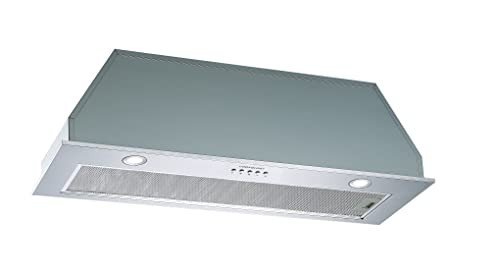
A cooker hood, also called an extractor hood or range hood, is installed above the cooking location to ventilate the kitchen by eliminating smoke, steam, heat, and cooking odors. They can be found in numerous styles and types, each matched to various requirements and kitchen styles.
Types of Cooker Hoods
Understanding the kinds of cooker hoods readily available is necessary for making an informed decision. Here’s a table to help highlight the various types and their special features.
| Kind Of Cooker Hood | Description | Ideal For |
|---|---|---|
| Wall-Mounted | Connected to the wall above the cooking surface area. | Conventional kitchens with a range. |
| Under-Cabinet | Installed under kitchen cabinets, saving space. | Smaller sized kitchens doing not have vertical area. |
| Island | Hanging from the ceiling over a kitchen island. | Open-plan kitchens with islands. |
| Downdraft | Pulls back into the countertop when not in use. | Modern kitchens with clean lines. |
| Chimney Hoods | Features a chimney-like structure for ventilation. | Conventional or rustic-style kitchens. |
| Professional | Heavy-duty hoods developed for high-heat cooking. | Premium or professional kitchens. |
Advantages of Cooker Hoods
Investing in a cooker hood includes a number of advantages:
- Improved Air Quality: By filtering out smoke, grease, and cooking smells, Small Cooker Hoods hoods maintain a fresh and tidy kitchen environment.
- Increased Comfort: Effective ventilation minimizes humidity and heat, making cooking a more comfy experience.
- Boosted Kitchen Aesthetics: A stylish hood can work as a centerpiece in your kitchen style, adding to its overall elegance.
- Security from Damage: By getting rid of grease and steam, cooker hoods help maintain the longevity of kitchen cabinets and surface areas.
- Health Benefits: Good ventilation can lower the threat of breathing concerns associated with prolonged exposure to cooking fumes.
Choosing the Right Cooker Hood
When picking a cooker hood, several factors need to be considered to ensure you make the best cooker hood (106.52.62.106) choice for your kitchen.
1. Size
The hood needs to be at least as wide as your cooking surface area to efficiently catch smoke and smells. A general guideline of thumb is to choose a hood that extends 3 to 6 inches beyond the edges of the cooktop.
2. Kind of Venting
Cooker hoods can be vented to the outside or run in recirculating mode.
- Vented Hoods: Expel air outside; advised for optimal efficiency.
- Recirculating Hoods: Filter air and return it to the kitchen; suitable for homes or where venting outdoors isn’t feasible.
3. Power and Noise Level
The blower power (determined in cubic feet per minute, or CFM) should line up with your cooking habits. Furthermore, consider the sound level of the hood, normally determined in sones, to maintain a tranquil kitchen environment.
4. Filter Type
There are various types of filters, consisting of:
- Metal Mesh Filters: Durable and washable, suitable for regular use.
- Charcoal Filters: Used in recirculating hoods, need replacement periodically.
5. Style
Pick a design that matches your kitchen’s general design. This can consist of traditional, modern, or industrial aesthetic appeals.
Maintenance Tips
To guarantee optimal efficiency and durability of your cooker hood, routine maintenance is necessary. Here are some tips:
- Clean Filters Regularly: Depending on usage, clean or change filters every couple of months to maintain efficacy.
- Clean Down Surfaces: Use moderate cleaners to get rid of grease and stains from the exterior frequently.
- Inspect Ventilation Duct: Ensure it is devoid of blockages to improve airflow.
- Check Fan Blades: Clean as required to keep the fan carrying out effectively.
Frequently Asked Questions (FAQs)
1. How do I understand if I need a cooker hood?
If you regularly prepare with gas or produce a great deal of smoke and smells, a cooker hood is necessary for keeping excellent air quality in your kitchen.
2. Can a cooker hood be installed myself?
While some house owners may select to install a cooker hood themselves, it is suggested to employ an expert, specifically for electrical and ducted installations.
3. What is the ideal height to set up a cooker hood?
Typically, a cooker hood ought to be set up 24 to 30 inches above the cooking surface area for optimum performance.
4. How often should I clean my cooker hood?
A good guideline of thumb is to clean the filter on a monthly basis for regular cooking; more often if you prepare greasy foods frequently.
5. Do cooker hoods eliminate heat?
Yes, cooker hoods help to remove heat together with smoke and smell, minimizing the general temperature level in your kitchen.
A Cooker Extractor Fans hood is an essential part of a functional kitchen, improving both cleanliness and convenience. With numerous styles and types readily available, it’s vital to select a hood that fits your cooking practices and Kitchen Cooker Hood style. By understanding the different features and upkeep requirements, you can make an educated decision that includes worth to your home. Investing in a premium cooker hood is not merely a purchase; it’s a financial investment in your health, comfort, and the life expectancy of your kitchen.