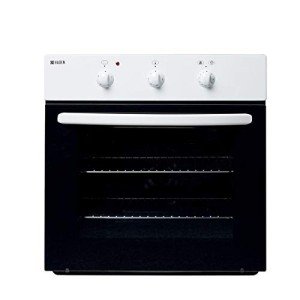
Cheap Oven And Hob
Add a review FollowOverview
-
Founded Date December 19, 1974
-
Sectors Sales & Marketing
-
Posted Jobs 0
-
Viewed 6
Company Description
A Look Inside Hob And Oven’s Secrets Of Hob And Oven
Understanding Cooker Hobs and Ovens: A Comprehensive Guide
In contemporary kitchen areas, cooker hobs and ovens are fundamental home appliances that define cooking practices and preferences. Selecting the ideal mix of these gadgets can significantly improve culinary experience, enhance performance, and even raise home visual appeals. This short article will check out numerous elements of cooker hobs and ovens, shedding light on types, functions, benefits, and upkeep pointers, while also dealing with common inquiries.
Types of Cooker Hobs
Cooker hobs are available in various types, each with unique features dealing with different cooking designs. Here’s an introduction of the most typical types:
| Type | Description | Pros | Cons |
|---|---|---|---|
| Gas Hob | Utilizes burner for heating; deals instant temperature level control. | Immediate heat and exceptional control. | Needs a gas connection; may be less safe. |
| Electric Hob | Operates utilizing electric coils or smooth surface; warms up gradually. | Even heat distribution; easy to tidy. | Takes longer to warm up; less control. |
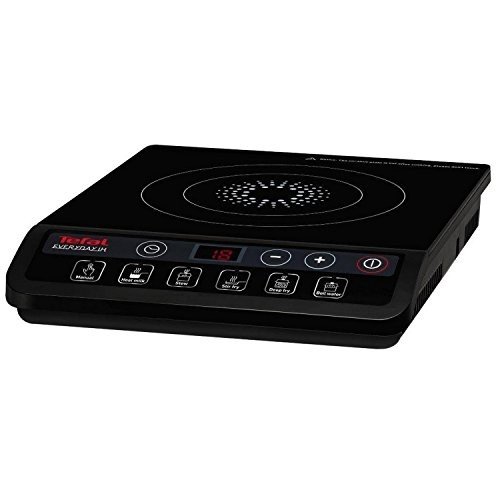
| Induction Hob | Utilizes electromagnetic fields to heat pots straight, making it energy effective. | Fast cooking; energy-efficient. | Requires compatible pots and pans; more pricey. |
| Halogen Hob | Uses halogen bulbs for immediate heat; supplies immediate temperature level modification. | Extremely quickly heating; noticeable heat. | Consumes more power; may not evenly heat. |
Picking the Right Hob
When choosing a hob uk, consider the following elements:
- Cooking Style: Do you prefer the precision of gas, the convenience of electric, or the performance of induction?
- Cookware Compatibility: Ensure your pots and pans work with the kind of hob.
- Kitchen Layout: Space and design typically dictate the type of hob that suits your kitchen.
Types of Ovens
Similarly, ovens have developed substantially, offering numerous cooking approaches that can match specific cooking designs. Here are the widespread kinds of ovens:
| Type | Description | Pros | Cons |
|---|---|---|---|
| Standard Oven | Standard baking oven that utilizes electric or gas heat from the top and bottom. | Versatile; great for baking. | Longer preheat and cooking times. |
| Convection Oven | Utilizes a fan to flow hot air, allowing even cooking and faster baking times. Disperses heat evenly. | Faster cooking; even browning. | A little more pricey; might dry food out. |
| Steam Oven | Cooks food using steam, maintaining nutrients and wetness. | Much healthier cooking; keeps food flavor. | Takes longer to cook; more pricey. |
| Microwave Oven | Utilizes electro-magnetic radiation to heat food quickly. | Instant cooking; ideal for reheating. | Limited cooking techniques; might affect texture. |
Picking the Perfect Oven
When selecting an oven, keep these consider mind:
- Cooking Habits: Are you a regular baker or more most likely to reheat leftovers?
- Space Requirements: What are the measurements of your kitchen?
- Spending plan: Consider not just the purchase price however also energy efficiency over time.
The Importance of Cooker Hobs and Ovens in Cooking
The right mix of cooker hob and oven can boost cooking abilities, enabling food enthusiasts to experiment and create a wide range of dishes. Here are a few factors why these appliances are vital:
- Efficiency: Modern hobs and ovens featured features that optimize cooking energy and times use.
- Flexibility: Different cooking approaches (bake, grill, roast, steam, etc) broaden the variety of meals one can prepare.
- Aesthetic Appeal: Stylish styles can elevate the general appearance of a kitchen, making it both practical and inviting.
Frequently Asked Questions (FAQs)
1. What maintenance do cooker hobs and ovens require?
- Regular cleansing after use to avoid accumulation.
- Regular look for gas leaks (for gas hobs).
- Guaranteeing the electrical connections are protected.
2. Can I use any cookware on an induction hob?
No, induction hobs need ferrous cookware (i.e., magnetic) to operate. This indicates stainless steel and cast iron work, while glass and aluminum pots might not.
3. How do I identify the best size oven for my kitchen?
Step your offered area and think about the volume of cooking you typically carry out. Requirement ovens range in size, and bigger designs normally have additional functions.
4. Are stove much better than conventional ovens?
It depends upon individual preference. Stove use faster and more even cooking however might not be ideal for all baking dishes, especially those requiring particular temperatures.
5. What is the typical lifespan of a cooking hob and oven?
With appropriate care, both hobs and ovens can last anywhere from 10 to 20 years, depending on frequency of usage and maintenance.
Selecting the best cooker hob and oven not just improves the cooking process however can likewise redefine one’s cooking experience. Understanding the different types, their benefits, and upkeep will empower customers to make informed choices, ensuring that their kitchen is geared up to deal with meals from the most basic to the most intricate. Knowledge about the capabilities of these important devices enables culinary creativity and efficiency, ultimately resulting in a more enjoyable cooking journey.