

Interior French Doors Repairs
Add a review FollowOverview
-
Founded Date March 23, 1928
-
Sectors Restaurant / Food Services
-
Posted Jobs 0
-
Viewed 46
Company Description
What French Door Fixing You’ll Use As Your Next Big Obsession?
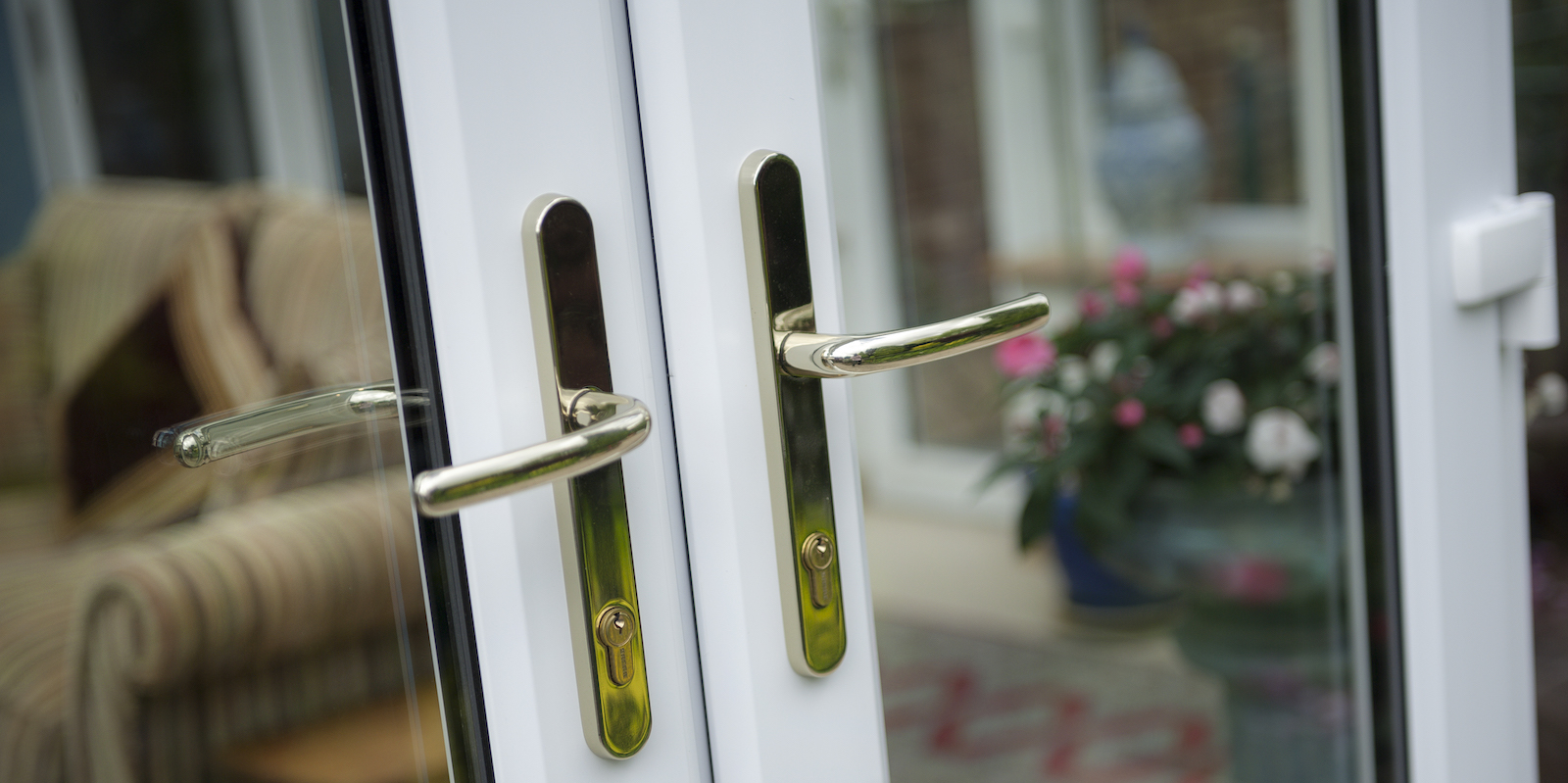
The Ultimate Guide to Fixing French Doors
French Door Repair Diy doors are a gorgeous addition to any home, using a classy transition in between indoor and outside areas. Nevertheless, like any fixture, they can develop issues gradually. Whether it’s a problem with the hinges, locks, or total performance, understanding how to repair French Door Repair Parts doors can save homeowners both money and time. This guide will dive into common issues and options, vital tools you’ll require, and even provide an extensive FAQ area to attend to common queries.
Common Issues with French Doors
Before diving into fixing your French doors, it is important to identify the issues you might be dealing with. Here’s a table describing some common issues and their potential causes.
| Issue | Possible Causes |
|---|---|
| Doors not lining up | Misaligned hinges, settling foundation |
| Problem in opening/closing | Broken locks, swollen doors due to humidity |
| Drafts or air leaks | Gaps in seals or weather stripping |
| Locks not operating | Damaged mechanism, misalignment between the door and frame |
| Squeaky hinges | Lack of lubrication |
1. Addressing Misalignment
Misaligned Double French Door Repairs doors can lead to troubles in closing or opening. Here’s how to repair this issue:
- Identify the Misalignment: Check if the doors are sitting evenly within the frame. If one door is higher than the other, it may need adjusting.
- Change the Hinges: Using a screwdriver, tighten up or loosen up the screws on the hinges. If changes are inadequate, you may need to reposition the hinges.
- Check the Frame: If the frame has actually settled, consider using shims to adjust the alignment.
2. Fixing Lock Mechanisms
Locks are necessary for security, so it is vital to guarantee they operate properly.
- Examine the Lock: If the lock is sticky, remove it and clean it with a lube spray. If it is broken, consider changing it.
- Realigning the Doors: If the lock isn’t catching, make sure the door is properly aligned. If misalignment continues, further adjustments may be needed.
3. Sealing for Energy Efficiency
Drafts and leaks can cause increased energy costs. To guarantee your doors are sealed properly:
- Inspect Weather Stripping: Over time, weather stripping can wear out. Remove old stripping and replace it with brand-new material designed to fit your door.
- Look for Gaps: Use a flashlight to recognize any gaps. If you see light shining through, fill these spaces with caulk.
4. Oiling Hinges
Squeaky hinges can be an annoyance, however they are easily repaired:
- Choose the Right Lubricant: Use a silicone-based lube or graphite powder. Avoid oil-based lubes, as they can draw in dirt.
- Use the Lubricant: Spray or use the lube on the hinges, then open and close the door numerous times to distribute it.
Tools Needed for Fixing French Doors
A well-equipped tool kit can make fixing French doors much easier and more efficient. Here’s a list of important tools:
| Tool | Function |
|---|---|
| Screwdriver | For adjusting hinges and locks |
| Lube spray | To lubricate squeaky hinges |
| Weather condition stripping | To replace damaged door seals |
| Caulk gun | For sealing gaps |
| Level | To guarantee doors are effectively aligned |
| Shims | To adjust misaligned frames |
| Hammer | For driving in nails or shimming |
| Pliers | For grasping and twisting lock systems |
Preventive Maintenance Tips
Avoiding problems before they happen is a smart technique:
- Regular Inspections: Check positioning, locks, and seals regularly to capture issues early.
- Lubrication: Keep hinges lubricated to prevent squeaks and wear.
- Monitor Humidity Levels: Use a dehumidifier in damp locations to prevent doors from swelling.
- Check Weather Stripping Annually: Ensure it remains intact to keep drafts at bay.
FAQs
Q1: Why are my French doors difficult to close?
A1: Difficulty in closing can be due to misalignment, swollen doors from humidity, or issues with the locking system.
Q2: How typically should I lube my French door hinges?
A2: It’s recommended to lubricate the hinges a minimum of when a year, or more frequently if you notice squeaking.
Q3: What is the very best weather removing for French doors?
A3: Foam tape weather condition removing is a great option for achieving a tight seal; however, for much better insulation, consider utilizing V-strip or magnetic weather strips.
Q4: Can I change the locks on my French doors myself?
A4: Yes, replacing locks is a straightforward process. Guarantee you have the right tools and follow producer guidelines.
Q5: What should I do if my doors are still misaligned after adjustments?
A5: If changes do not resolve misalignment, think about consulting a professional. The problem may be because of a settling foundation or a requirement for new hinges.
French Door Repair Parts doors not only improve visual appeal but also serve important functional roles in a home. Finding out to resolve common issues successfully can extend the life of your doors and enhance energy efficiency in your house. Routine maintenance and timely repairs can transform an aggravating experience into a seamless one, permitting house owners to enjoy their gorgeous French Door Repair Parts doors for many years to come. By following the assistance offered in this post, people can empower themselves to take on french door hinges door repairs with confidence and efficiently.