

Roofline Replacement
Add a review FollowOverview
-
Founded Date October 1, 1917
-
Sectors Sales & Marketing
-
Posted Jobs 0
-
Viewed 98
Company Description
The 10 Most Terrifying Things About Fascia And Cladding
Understanding Fascia and Cladding: A Comprehensive Guide
In the building and architecture world, particular terms often emerge, yet their significance can often be ignored by property owners and even some market experts. Amongst these terms are fascia and cladding, both critical elements in structure design and functionality. This post will discuss what fascia and cladding are, their purposes, materials, installation strategies, and maintenance pointers.
What is Fascia?
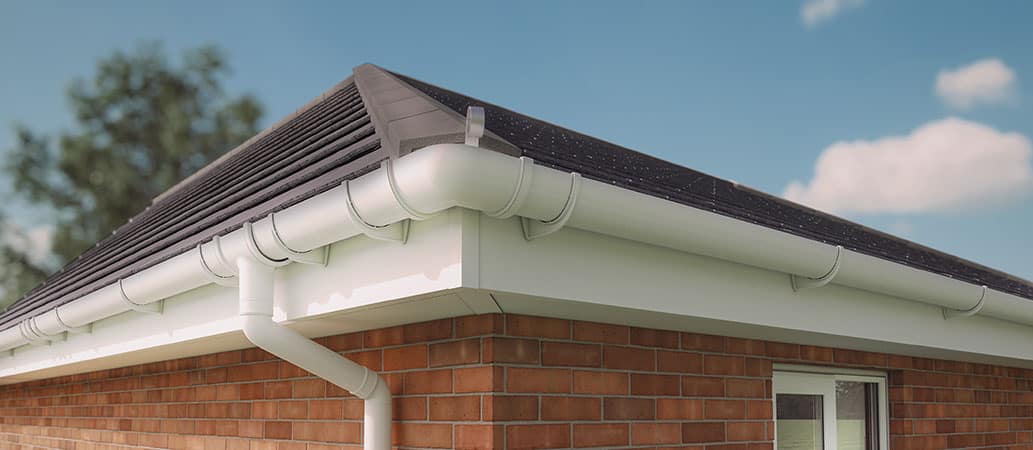
Fascia is a term used to explain the board or band that runs horizontally along the eaves of a roof. Placed straight under the Roofline Services, it acts as a vital user interface in between the roof and the outside of the structure. With a normal width ranging from 6 to 12 inches, fascia plays a number of crucial functions:
| Function of Fascia | Description |
|---|---|
| Protection | It safeguards the roof’s edges from water damage by directing rainwater into seamless gutters. |
| Assistance for Gutters | Fascia boards provide a sturdy support for gutter systems, ensuring they stay safely connected. |
| Visual Appeal | Fascia enhances the appearance of a structure by offering a tidy, ended up seek to the roofline. |
| Ventilation | In some styles, fascia can permit ventilation of the attic area, decreasing heat buildup. |
What is Cladding?
Cladding refers to the product utilized to cover the outside of a structure, serving both visual and functional functions. Essentially, it acts as a skin for the structure, offering insulation, weather condition resistance, and security from the elements. Cladding can be made from different products, using a broad series of designs and finishes.
| Function of Cladding | Description |
|---|---|
| Insulation | Cladding can help manage indoor temperature by adding an extra layer of insulation to the structure envelope. |
| Weather condition Protection | It secures against wind, rain, snow, and sun, maintaining the stability of the underlying structure. |
| Visual Variety | With options ranging from wood and vinyl to brick and stone, cladding enables for innovative expression in structure style. |
| Toughness | Premium cladding products can considerably extend the life expectancy of a structure, reducing maintenance expenses gradually. |
Types of Fascia Materials
Fascia is usually made from one of a number of materials, each carrying its own advantages and drawbacks. Here’s a breakdown of typical fascia materials:
| Material | Pros | Cons |
|---|---|---|
| Wood | Natural look, easy to paint | Prone to rot and pest damage |
| Vinyl | Low maintenance, resistant to moisture | Restricted color alternatives, might fade in time |
| Aluminum | Durable, does not rust, available in lots of colors | Can damage easily, might require a finishing to match aesthetic appeals |
| Fiber Cement | Resistant to rot and bugs, resilient | More costly, needs professional installation |
Types of Cladding Materials
Similar to fascia, cladding comes in various products, each with distinct functions. Below is a list of popular cladding products:
| Material | Pros | Cons |
|---|---|---|
| Vinyl Siding | Low expense, easy to maintain | Can warp in severe temperature levels |
| Wood | Visual appeal, natural insulation | Requires routine maintenance, prone to moisture |
| Brick | Exceptionally long lasting, fascia and soffit upgrades low maintenance | High initial expense, heavy |
| Stucco | Versatile, great insulation, affordable | Can break in seismic areas, requires skilled installation |
| Metal | Modern look, fire-resistant | Can be prone to deterioration if not dealt with |
Installation Considerations
When installing fascia and cladding, a number of factors need to be considered to make sure sturdiness and efficiency:
- Climate: Choose materials that can endure the pressure of regional weather.
- Spending plan: Assess your budget plan as this will affect your choice of products and installation choices.
- Structure Code Requirements: Always examine regional building codes and policies that might dictate the types of products that can be used.
- Visual Preferences: Consider how various materials will affect the overall appearance of your home.
Maintenance Tips for Fascia and Cladding
Fascia Maintenance
- Regular Inspections: Check for signs of rot, peeling paint, or insect damage annually.
- Cleansing: Clean seamless gutters to prevent water from backlogging and damaging the fascia.
- Paint and Stain: When using wood fascia, repaint or stain to protect versus the components.
Cladding Maintenance
- Cleaning: For vinyl and metal cladding, an easy wash with soapy water can eliminate dirt and mildew.
- Examination: Look for fractures or holes in stucco and fiber cement, and repair them without delay.
- Replacement: Replace any warped or damaged panels instantly to preserve insulation and aesthetic appeals.
Regularly Asked Questions (FAQs)
1. What is the distinction in between fascia and soffit?
Fascia runs horizontally along the edge of the roof, while Soffit And Fascia Services is the material that covers the underside of the roofing overhang.
2. How frequently should I check my fascia and cladding?
It’s advisable to carry out examinations at least when a year, especially before winter, to make sure everything remains in excellent condition.
3. Can I install fascia and cladding myself?
While DIY installation is possible, working with experts ensures that these components are installed correctly and according to building codes.
4. What is the average lifespan of fascia and cladding products?
Lifespan differs considerably depending on the material. For example, vinyl cladding may last 20-40 years, while wood fascia may just last 10-15 years without proper maintenance.
5. How do I choose the ideal product for my environment?
Seek recommendations from regional structure professionals who understand the ecological obstacles of your location, such as wetness, humidity, and temperature level fluctuations.
Fascia and cladding are vital parts of any building, adding to both functionality and aesthetic appeal. Understanding their functions, product alternatives, and maintenance requirements can empower homeowners and builders alike to make educated choices that enhance the durability and charm of their structures. Whether you’re remodeling your existing home or starting a brand-new construct, put in the time to explore fascia and cladding options that best fit your needs and preferences.