

Hobelmaschinen Im Angebot
Add a review FollowOverview
-
Founded Date June 21, 1984
-
Sectors Restaurant / Food Services
-
Posted Jobs 0
-
Viewed 83
Company Description
10 Things Everyone Gets Wrong About Planing Machines For Furniture
Understanding Planing Machines for Furniture Production
On the planet of woodworking and furniture production, precision is crucial. Among the most necessary tools in attaining the preferred level of accuracy and smoothness in wood surface areas is the planing machine. By successfully lowering the thickness of wood boards and smoothing surfaces, planing machines play an essential function in the furniture-making procedure. This article aims to provide a comprehensive summary of planing machines, their types, applications, benefits, and upkeep practices.
What is a Planing Machine?
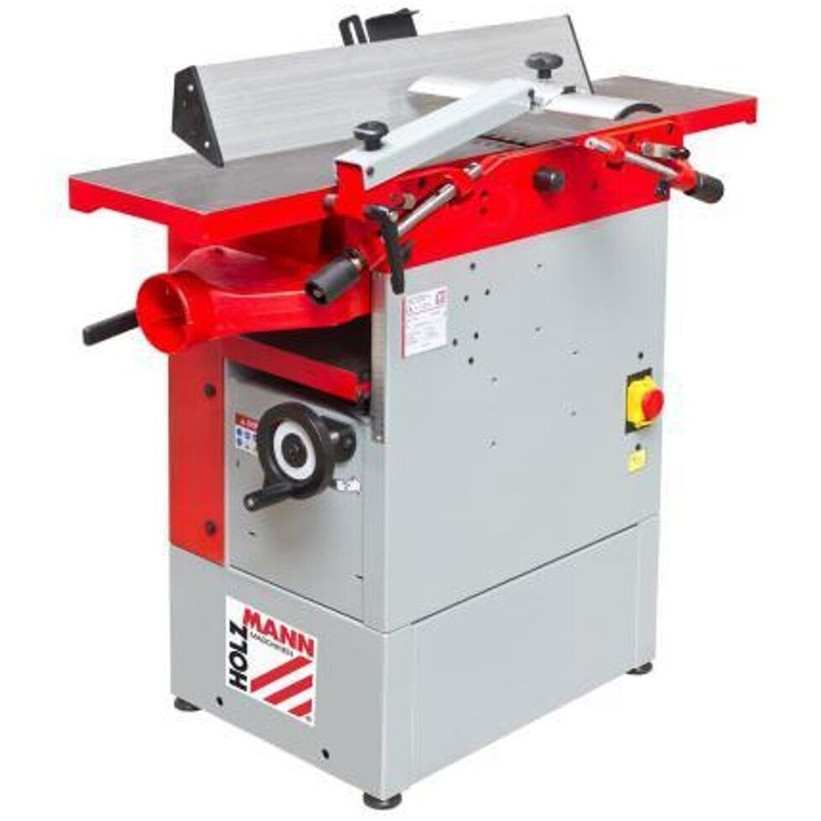
A planing device is designed to shape and smooth wooden surface areas through a process understood as preparation. It gets rid of material from the surface of wood to create a flat and smooth finish. The machine normally includes a powered movable table, a rotary cutter head, and feed rollers to assist the wood. Planing machines can vary in size and complexity, with some being extremely automated for industrial usage and others being smaller, developed for workshops and hobbyists.
Types of Planing Machines
There are a number of types of planing machines utilized in the furniture market. Here’s a table detailing the numerous types and their attributes:
| Type | Description | Applications |
|---|---|---|
| Density Planer | This maker lowers the density of lumber and produces consistent surface dimensions. | Perfect for preparing wood for joints, tabletops, and cabinets. |
| Jointers | These machines flatten one face and edge of the wood, making sure a square recommendation surface. | Used to prepare boards for signing up with or aligning for lamination. |
| Surface area Planers | Surface area planers produce smooth, flat surfaces on lumber, often utilized in conjunction with density planers. | Appropriate for big, flat furniture pieces like table tops. |
| CNC Planers | Computer Numerical Control (CNC) planers automate the planning process with high precision. | Suitable for Moderne Hobelmaschinen high-volume production with complex designs. |
| Hand Planers | By hand operated tools that can be adjusted for various smoothness levels. | Often used by artisans for small projects or comprehensive work. |
Applications of Planing Machines in Furniture Manufacturing
In furniture manufacturing, planing machines serve varied functions, each contributing considerably to the overall quality and efficiency of production. Some common applications consist of:
- Thickness Reduction: Ensuring that wood pieces are of consistent density for better fitting and visual appeals.
- Surface area Preparation: Smoothing and flattening surface areas to prepare wood for completing treatments such as staining or painting.
- Edge Jointing: Preparing edges of boards to develop joints that are straight and smooth for seamless assembly.
- Molding and Shaping: Certain planing machines likewise have capabilities for producing profiles and decorative edges.
Advantages of Using Planing Machines
Carrying out planing machines in furniture production procedures offers numerous advantages, consisting of:
- Precision and Consistency: Planing machines supply uniform dimensions and surfaces, decreasing human error in manual procedures.
- Time Efficiency: Automated machines significantly decrease the time invested in completing wood surfaces compared to manual approaches.
- Quality of Finish: Achieving greater quality finishes enhances the general item quality and consumer fulfillment.
- Material Saving: Accurate planning decreases waste by allowing ideal use of wood, creating fewer overcuts and waste pieces.
- Adaptability: Different types of planing machines can handle numerous woodworking tasks, making them adaptable to different furniture styles and production needs.
Maintenance Tips for Planing Machines
To make sure durability and ideal efficiency of planing machines, routine upkeep is important. Here are some maintenance suggestions:
- Clean the Machine Regularly: Dust and wood shavings can build up and affect device performance. Regular cleaning is vital.
- Check and Sharpen Blades: Dull blades can cause poor finishes and increase strain on the machine. Routinely examine and hone or replace them as needed.
- Check Alignment: Ensuring the cutterhead and tables are properly aligned keeps the cutting constant and exact.
- Oil Moving Parts: Regular lubrication of moving parts reduces friction and prevents wear.
- Follow Manufacturer Guidelines: Always abide by the recommended upkeep schedule provided by the producer.
Frequently Asked Questions About Planing Machines
Q1: What kind of woodworking projects are best fit for a density planer?A1: Thickness planers are beneficial for any woodworking job needing uniform board density, consisting of kitchen cabinetry, tabletops, and great furniture.
Q2: Can I utilize a planing machine for softwood?A2: Yes, planing machines can efficiently work with both hardwoods and softwoods, guaranteeing a smooth finish for all kinds of lumber. Q3: What security precautions ought to I take when utilizing a planing machine?A3: Always use shatterproof glass, utilize hearing protection, and ensure the area is well-ventilated. Keep hands clear of moving parts and follow machine safety protocols. Q4: Are planing machines ideal for beginners?A4: While a vital tool for woodworking, newbies should begin with
easier machines or hand tools and gradually shift to planing machines as they construct their abilities. Q5: How do I pick the ideal planing machine for my workshop?A5: Consider your particular woodworking needs, space schedule, and budget.
Research different types based on the scale of your projects and whether you focus on manual or automated procedures. Planing machines are indispensable tools in the furniture production industry, offering precision, performance, and a quality finish that can significantly enhance the last product.
By comprehending the various kinds of planing machines, their applications, and the importance of maintenance, both producers and hobbyists can enhance their woodworking processes. Purchasing a great planing device and discovering how to use and maintain it properly can have a lasting effect on the quality of woodworking projects, leading the way for lovely, enduring furniture pieces that stand the test of time.