

Door Repair Near Me
Add a review FollowOverview
-
Founded Date April 27, 1939
-
Sectors Telecommunications
-
Posted Jobs 0
-
Viewed 8
Company Description
10 Things You’ve Learned From Kindergarden That Will Aid You In Obtaining Fix My Door
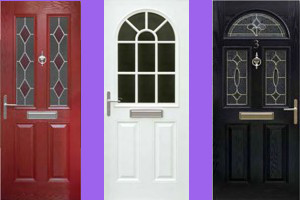
Fix My Door: A Comprehensive Guide to Repairing Common Door Problems
Doors are important components in any building, offering security, personal privacy, and aesthetic appeal. However, gradually, doors experience wear and tear, causing a range of problems that can interrupt their performance. This guide will look into typical door issues, efficient repair solutions, and preventative steps to keep door quality, ensuring they operate effortlessly for many years to come.
Typical Door Problems
Before attending to the repair procedures, it is important to recognize the most prevalent door problems. Below is a detailed table highlighting typical door issues and their possible causes:
| Problem | Possible Causes |
|---|---|
| Door Sticking | Humidity, warping, misalignment |
| Squeaky Hinges | Lack of lubrication or rusty hinges |
| Door Not Closing | Misalignment, particles in the door frame, damaged latch |
| Cracked or Damaged Door | Effect, weather condition direct exposure, age |
| Loose Doorknob | Worn screws, harmed internal components |
Repairing Common Door Issues
1. Sticking Doors
Causes: Sticking doors typically result from humidity changes, which can trigger wooden doors to swell or warp. Misalignment during installation can likewise contribute.
Solutions:
- Identify the Problem Area: Slide the door in and out to identify where it is sticking.
- Sanding: Use fine-grit sandpaper to gently sand down the area where the door is sticking. Beware and examine frequently to prevent oversanding.
- Plane the Door: If sanding does not work, think about using a hand planer to shave off a percentage of material from the edge of the door.
2. Squeaky Hinges
Causes: Over time, door hinges accumulate dirt, dust, and rust, resulting in squeaks and creaks when the door is moved.
Solutions:
- Lubrication: Apply a permeating lube or silicone spray to the hinge. Open and close the door multiple times to work the lubricant into the hinge.
- Cleaning up: If rust is present, tidy the hinges with vinegar or a rust eliminator, then lube them immediately afterward.
3. Door Not Closing Properly
Causes: Misalignment, debris in the door frame, or a malfunctioning lock can avoid a door from closing as it should.
Solutions:
- Check for Obstructions: Inspect the area around the door frame for debris. Clear out any accumulated dust or things that might impede closure.
- Change the Hinges: Tighten or adjust hinge screws to straighten the door. If the door is drooping, including washers may help raise it back into position.
- Examine the Latch: If the lock is harmed, changing it may be required.
4. Cracked or Damaged Door
Causes: Impact, weather exposure, and aging can trigger wood doors to break.
Solutions:
- Small Cracks: Fill small fractures with wood filler or putty, then sand down the area when dried. Complete with paint or stain to match the door.
- Big Cracks: For larger concerns, consider enhancing with wood glue and clamps, then sanding and finishing. If the damage is extreme, replacement might be needed.
5. Loose Doorknob
Causes: Over time, doorknobs can become loose due to use and tear, particularly in areas of regular usage.
Solutions:
- Tighten the Screws: Using a screwdriver, tighten up the screws on the doorknob. If the screws are removed, think about replacing them with new ones.
- Inspect Internal Components: If tightening does not deal with the concern, disassemble the doorknob to inspect for any damaged parts that might require replacement.
Preventative Measures for Door Maintenance
Taking proactive procedures can extend the life expectancy of doors and reduce the frequency of double Glazed repairs. Here are some beneficial ideas to preserve door integrity:
- Regular Inspections: Periodically inspect doors for any signs of wear and tear.
- Weatherproofing: Apply weatherstripping to prevent moisture damage and keep climate control inside.
- Lubrication: Regularly oil hinges to prevent squeaking and wear.
- Refinishing: Consider refinishing wood doors every couple of years to safeguard against moisture and UV exposure.
- Use Proper Hardware: When installing or replacing parts, guarantee top quality hardware is used.
FAQs
Q1: How often ought to I maintain my doors?A: It is suggested to examine and maintain doors at least as soon as a year; however, high-traffic doors might need more regular checks. Q2: Can I fix a sticking door myself?A: Yes, most sticking door problems can be fixed with simple tools like sandpaper or
a hand planer. Q3: Is it essential to change a cracked door?A: Not always. Small fractures can typically be fixed successfully
with wood filler or glue, however significant damage might warrant replacement. Q4: What need to I utilize to lube door hinges?A: Silicone spray, Tri-Flow, or penetrating oil are outstanding choices for lubricating hinges. Q5: How can I prevent my wood door from warping?A: Keep wetness levels stable and guarantee correct sealing and ending up of the door to reduce the risk of warping.
Understanding the typical door issues and their respective services is essential for keeping functional and visually pleasing doors. Routine examinations, preventative maintenance, and timely repairs can lengthen the life of doors, improving their performance and look. With this thorough guide, property owners can confidently deal with door issues and restore their doors to optimal conditions.