

Seriöse Falschgeld Anbieter
Add a review FollowOverview
-
Founded Date August 5, 1921
-
Sectors Telecommunications
-
Posted Jobs 0
-
Viewed 34
Company Description
How To Explain Have Counterfeit Money Printed To Your Grandparents
Understanding Counterfeit Money: How It’s Printed and Its Impact on Society
Counterfeit money has actually long been a concerning concern for governments, businesses, and customers alike. The practice of printing phony currency undermines economies, Falschgeld Drucken lassen erodes rely on monetary systems, and can lead to extreme legal charges for those caught in the act. This blog site post will examine how counterfeit money is printed, its implications, and online falschgeld kaufen ohne risiko offer insights into how society can combat this criminal activity.
What is Counterfeit Money?
Counterfeit money refers to phony currency produced with the intent to trick others into accepting it as genuine. Counterfeiters have traditionally employed numerous techniques to reproduce banknotes, resulting in the continuous advancement of anti-counterfeiting procedures by governments.
Table 1: The Evolution of Counterfeit Methods
| Period | Methods of Counterfeiting | Notes |
|---|---|---|
| Pre-20th Century | Hand-drawn notes, woodblock printing | Frequently done by skilled craftsmens, less advanced. |
| 20th Century | Balanced out printing, digital printing | Increased availability of top quality tools. |
| 21st Century | High-definition printing, computer-generated styles | Usage of sophisticated innovation makes counterfeits harder to identify. |
How Counterfeit Money is Printed
Counterfeiters take advantage of different strategies and technologies to produce fake currency. Here are some of the most common methods used today:
1. Top Quality Printing Techniques
Modern counterfeiters typically utilize high-quality printers that can produce currency that looks extremely comparable to the real thing. High-definition printing permits elaborate designs, gefälschte währung bestellen making it tough for the average person to identify in between genuine and fake.
2. Digital Manipulation
With the development of graphic design software, some counterfeiters digitally control images of genuine banknotes. They can alter denominations and create whole sheets of fake currency that mimic legitimate notes practically perfectly.
3. Use of Specialized Materials
Some counterfeiters invest in special papers that carefully reproduce the product used in genuine currency. This attention to information includes an extra layer of credibility, making it harder for consumers to determine fake notes.
4. Counterfeit Detectors
To fight counterfeiting, technology has actually developed. Lots of businesses use counterfeit detection tools to identify fake money. These tools can spot functions like watermarks, color-shifting ink, and ingrained security threads.
Table 2: Common Anti-Counterfeiting Features
| Function | Description |
|---|---|
| Watermarks | Visible when held up to light; hard to replicate. |
| Color-Shifting Ink | Changes color when viewed from different angles. |
| Microprinting | Tiny text that is difficult to replicate. |
| Security Threads | Embedded in the paper, Top Falschgeld Webseiten [Https://Myenglishguide.Com] noticeable when held against light. |
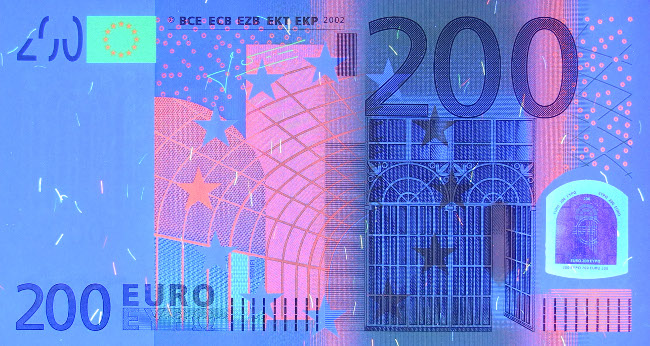
| UV Features | Unnoticeable under normal light however visible under UV light. |
The Impact of Counterfeit Money
The occurrence of counterfeit money can have a prevalent impact on the economy and individuals. Below are some of the essential repercussions:
Economic Consequences
- Inflation: Counterfeit currency can cause an increase in the money supply, eventually triggering inflation.
- Loss of Revenue: Businesses that accept counterfeit money suffer financial losses, which can result in higher costs for consumers.
- Disintegration of Trust: Consumers may end up being hesitant to negotiate if they lack self-confidence in the currency’s legitimacy.
Legal Consequences
- Criminal Charges: Individuals captured producing or distributing counterfeit currency can face serious legal charges, including jail time.
- Forced Business Closures: Businesses that unknowingly accept counterfeit money may be punished or required to close down due to considerable monetary losses.
Mental Consequences
- Suspicion: The prevalence of counterfeit money produces an atmosphere of suspect among customers, companies, and banks.
How to Protect Yourself from Counterfeit Money
Here are some proactive actions individuals and services can require to safeguard themselves against counterfeit currency:
1. Educate Yourself
Acquaint yourself with the security functions of your country’s currency. Knowing what to try to find can assist you quickly determine counterfeit notes.
2. Usage Detection Tools
Buy counterfeit detection tools, especially if you run a company. Portable UV lights and counterfeit detection pens can be effective.
3. Train Employees
Services must train staff members on how to acknowledge counterfeit money. Routine training sessions can help preserve vigilance.
4. Report Counterfeits
If you encounter counterfeit money, report it to regional police or the proper monetary authority. Prompt reporting can help authorities locate counterfeit operations.
Frequently Asked Questions (FAQ)
1. What should I do if I get a counterfeit bill?
If you receive a counterfeit bill, do not attempt to pass it off. Rather, report it to your local law enforcement company or the U.S. Secret Service if you remain in the United States.
2. Can I get a refund for counterfeit money?
Normally, no. If you unknowingly accept counterfeit money, you are responsible for the loss, and you can not declare a refund.
3. How do authorities capture counterfeiters?
Authorities make use of a combination of technological monitoring, public pointers, and undercover operations to catch counterfeiters.
4. Is it prohibited to make copies of money for educational functions?
Yes, it is unlawful to copy currency unless you adhere to strict standards set by the U.S. Bureau of Engraving and Printing or particular authorities in other countries.
Counterfeit money stays a considerable problem that affects everybody– from consumers to services to federal governments. With an understanding of how it’s printed, its impacts, and the methods to safeguard versus it, people and services can take proactive measures to safeguard themselves. Education, caution, and cooperation with authorities are key to minimizing the hazard posed by counterfeit currency.