Freezer Uk
Add a review FollowOverview
-
Founded Date December 24, 1927
-
Sectors IT Systems Administrator
-
Posted Jobs 0
-
Viewed 67
Company Description
The Best Fridges And Freezers Tricks To Change Your Life
Understanding Fridges and Freezers: The Essential Kitchen Appliances
Fridges and freezers are 2 of the most essential devices in modern kitchen areas. These devices serve a crucial function in food preservation and waste reduction by guaranteeing that disposable items stay fresh and safe for consumption. This article looks into the numerous kinds of Best Fridges (Https://Www.Corine.Top) and freezers, their functionalities, and crucial considerations for choice and maintenance.
Types of Refrigerators
The market provides a range of refrigerator types, each developed to fulfill various customer needs. Below is a list of the most common kinds of fridges:
-
Top-Freezer Refrigerators
- Most common type.
- Freezer compartment is situated above the refrigerator section.
- Typically more budget-friendly and energy-efficient.
-
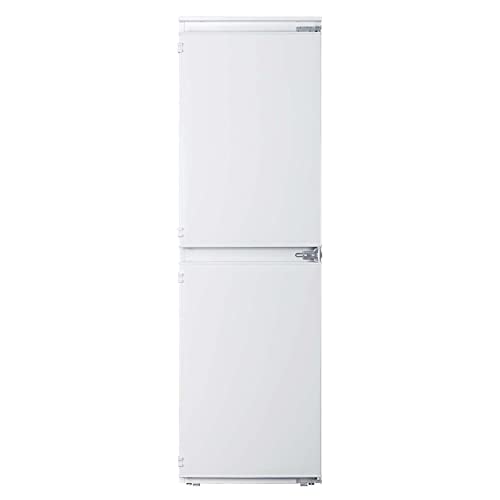
Bottom-Freezer Refrigerators
- Freezer lies at the bottom.
- Permits much easier access to fresh products at eye level.
- Often includes pull-out drawers for much better organization.
-
Side-by-Side Refrigerators
- Refrigerator and freezer areas are adjacent.
- Ideal for narrow kitchens and permits simple access to both compartments.
- Frequently comes with water and ice dispensers.
-
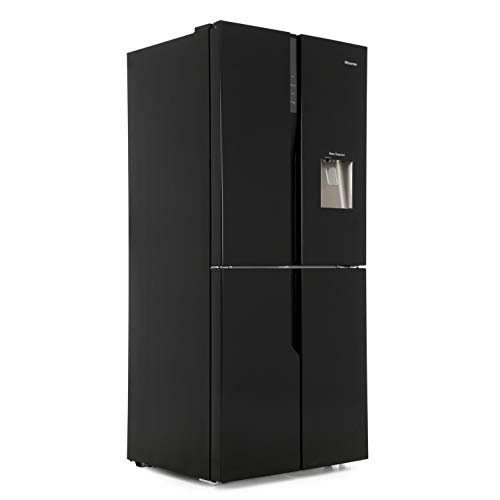
French Door Refrigerators
- Combines a bottom freezer with double doors at the top.
- Offers sufficient storage and trendy designs.
- Typically includes functions like temperature-controlled drawers.
-
Compact Refrigerators
- Smaller sized size ideal for limited spaces.
- Commonly used in dormitory, studio apartments, or as secondary fridges.
Table 1: Comparison of Refrigerator Types
| Type | Benefits | Disadvantages | Typical Size |
|---|---|---|---|
| Top-Freezer | Economical, energy-efficient | Less convenient access to the freezer | 14-30 cu. ft. |
| Bottom-Freezer | Simpler access to fresh food | Freezer can be more difficult to organize | 19-30 cu. ft. |
| Side-by-Side | Easy access, water/ice dispenser | Narrow vs. storage space | 22-30 cu. ft. |
| French Door | Stylish, large, organized | More pricey | 20-30+ cu. ft. |
| Compact | Space-saving, portable | Minimal storage | 1.7-5.5 cu. ft. |
Types of Freezers
Freezers are an equally essential home appliance for food preservation. They come in various designs designed to fit different family requirements. Consider the following types:
-
Upright Freezers
- Operate like a standard refrigerator with vertical storage.
- Easier to organize with shelves and compartments.
-
Chest Freezers
- Big, horizontal design typically offering more storage space.
- Maintains temperature levels much better throughout power interruptions.
- More energy-efficient than upright models.
-
Portable Freezers
- Compact units perfect for outdoor activities or little areas.
- Frequently utilized for camping trips or as temporary storage.
Table 2: Comparison of Freezer Types
| Type | Advantages | Drawbacks | Typical Size |
|---|---|---|---|
| Upright Freezer | Easier to arrange | Less energy-efficient, more flooring area | 5-20 cu. ft. |
| Chest Freezer | Holds more items, energy-efficient | Harder to organize | 5-25 cu. ft. |
| Portable Freezer | Compact and flexible | Limited storage capacity | 1-10 cu. ft. |
Key Features to Consider
When picking a fridge or freezer, consumers should keep in mind a number of functions that can improve performance:
- Energy Efficiency: Look for models with the ENERGY STAR certification to save money on electrical energy expenses.
- Storage Capacity: Evaluate storage requirements based upon family size and eating practices.
- Temperature Control: Some appliances provide digital controls for exact temperature settings.
- Adjustable Shelving: Customizable shelving permits for ideal company.
- Water and Ice Dispenser: Offers benefit however can use up valuable area inside.
- Sound Level: Sound rankings can influence convenience, particularly in open-concept homes.
Benefits and drawbacks of Having a Fridge and Freezer
While fridges and freezers are vital innovations, they also have certain benefits and downsides:
| Pros | Cons |
|---|---|
| Maintain food life expectancy and lower waste | Require regular upkeep |
| Permit bulk buying and meal prepping | Can be costly to buy and run |
| Deal benefit and fast access to food | Inhabit substantial cooking area space |
Maintenance Tips
To guarantee durability and ideal efficiency of fridges and freezers, think about the following maintenance tips:
- Regular Cleaning: Clean the interior and outside regularly to avoid accumulation of dirt and germs.
- Examine Seals: Inspect door seals frequently for leaks to maintain performance.
- Temperature Settings: Keep the fridge at 34-38 ° F and the freezer at 0 ° F for ideal food preservation.
- Thaw as Needed: Chest freezers ought to be defrosted regularly to maintain efficiency.
- Clear Air Vents: Ensure that airflow isn’t blocked to enhance energy efficiency.
FAQs About Fridges and Freezers
Q1: How long can food be saved in a freezer?A: Most foods can be kept in a freezer for several months. Meats and poultry typically last 4-12 months, while veggies can last as much as 8-12 months.
Q2: How often must I clean my fridge and freezer?A: It is suggested to clean your fridge and freezer every 3 to 6 months, or as required when spills occur. Q3: Can I put hot food directly in the fridge?A: It is suggested to cool hot food to space temperature level before placing it in the fridge to prevent
raising the temperature inside the appliance. Q4: Why is my fridge running constantly?A: This might be due to a malfunctioning thermostat, clogged up coils, or door seals that aren’t working appropriately. Fridges and freezers are vital
assets to contemporary families, providing important services for food storage and preservation.
Comprehending the various types, features, and maintenance requirements can help customers pick the right appliances for their requirements and maximize their performance. Accepting energy-efficient designs not just supports sustainable practices but likewise contributes to significant savings on utility expenses, making informed choices more essential than ever.